The Continent That Stopped Waiting
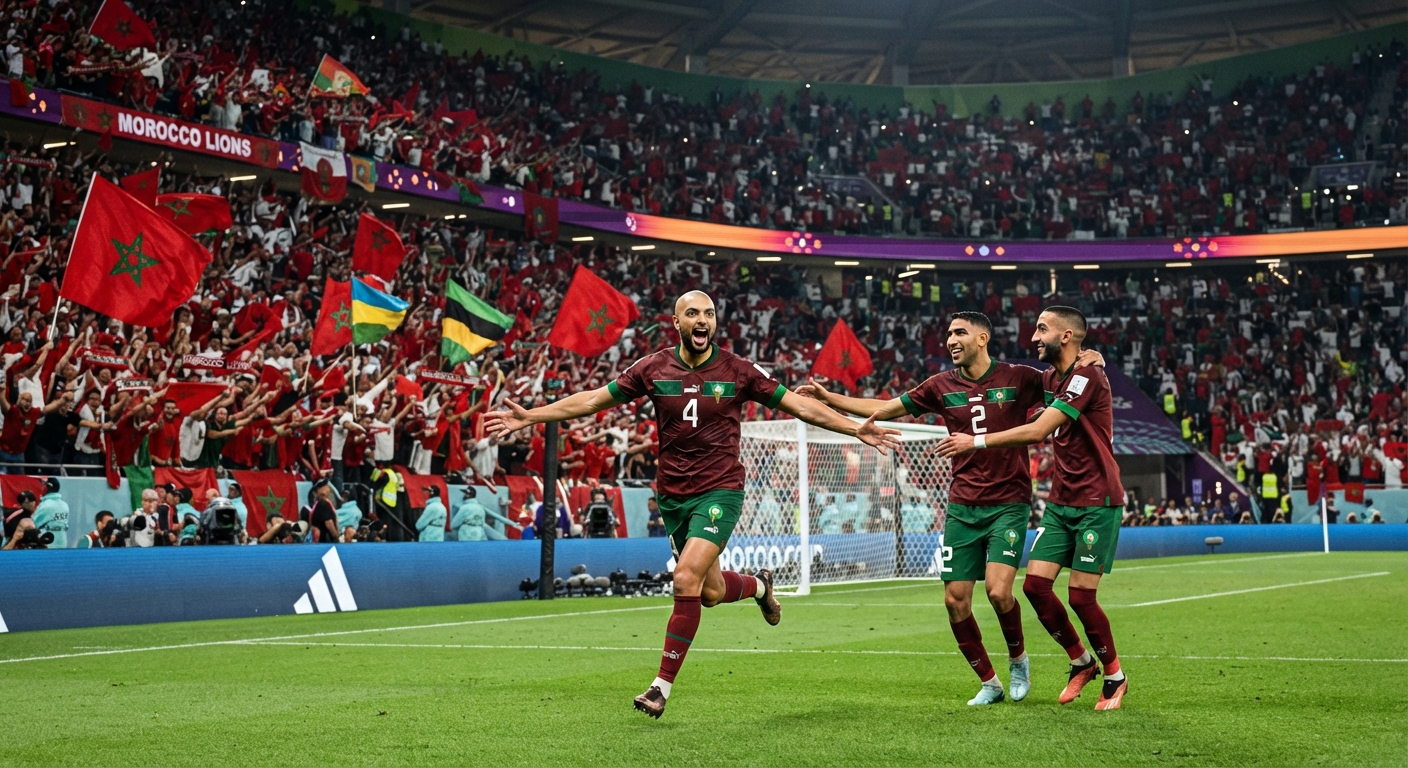
Four years ago, Morocco reached a World Cup semifinal no African nation had ever reached before. It was not a bracket accident or a burst of individual brilliance. It was the visible result of fifteen years of investment in academies, coaching qualifications, and tactical education that African federations had been quietly building while the rest of the football world assumed the continent's ceiling was fixed. That Qatar run eliminated Spain, Portugal, and Belgium — three nations with more Ballon d'Or winners between them than most confederations have produced in a century. The lesson landed. Other federations took notes.
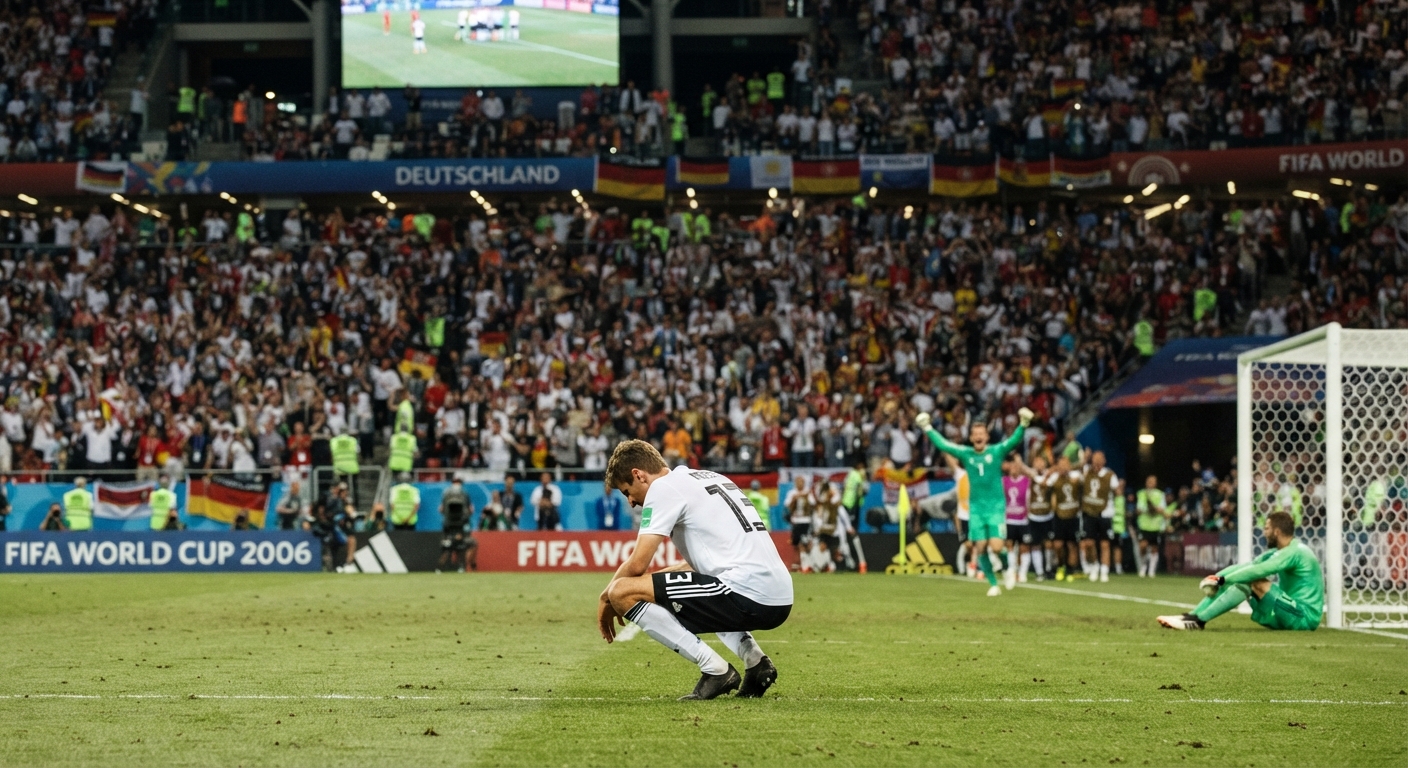
Round of 16 week at this World Cup reads like proof those notes were studied closely. Germany went out on penalties to Paraguay. The Netherlands were eliminated by Brazil, also on spot-kicks. England needed a stoppage-time character check just to draw 0-0 with Ghana before putting four past Croatia. The gap between the established order and the chasing pack has narrowed across the board this tournament, and African football's rise sits at the center of that shift rather than on its periphery.
The continent that used to arrive at World Cups hoping for one big scalp is now arriving expecting to be dangerous for a fortnight.
Morocco's Blueprint Becomes the Continent's Method
Walid Regragui built something specific in Morocco: a high defensive block, pressing triggers that suffocate build-up play, wide players comfortable exploiting transition at speed, and a goalkeeper in Yassine Bounou performing at the level of Europe's elite number ones. What made it durable rather than a single tournament's fairy tale is that the spine has stayed largely intact while a second generation has grown into it. Bilal El Khannouss at Leicester City and Ilias Chair at Queens Park Rangers have both moved from promising prospect to first-choice quality, giving Regragui a depth chart few African federations have historically enjoyed.
The results back it up. Morocco's third consecutive Africa Cup of Nations title did not happen by accident — it happened because winning became an expectation rather than a hope, and that mentality shift is arguably harder to engineer than any tactical system. Achraf Hakimi has been named in UEFA's team of the year for three straight seasons, the first African player to manage that run, and he is spoken about now not as an exceptional talent from an unfashionable footballing nation but simply as one of the five best right-backs alive. That framing shift matters. It is the difference between being an outlier and being the standard.
"We stopped playing to survive the group stage. We play now to win the tournament — that changes how a young player trains at sixteen, not just how a squad plays at thirty." — Walid Regragui, Morocco head coach
The Numbers Behind the Shift
The scale of the change is not anecdotal. It shows up in recruitment, rankings, and squad sheets across the continent, and it has been building for the better part of a decade rather than arriving with one golden generation.
- Players in Europe's top five leagues: up from 187 in 2016 to 312 in 2026
- FIFA top-25 nations: Nigeria, Senegal, Egypt and Ivory Coast all currently ranked inside the global top 25
- CAF coaching investment: $180 million since 2020, roughly four times the previous cycle
- World Cup qualifying berths: nine automatic African slots this cycle, nearly double the five handed out in 2022
- Average squad age: 24.6 years, the youngest regional average in world football
- Consecutive UEFA Team of the Year picks for Hakimi: three, a first for an African player
Perhaps the most telling figure in that list is the age profile. An average squad age of 24.6 is not a talent pipeline running dry — it is one still filling, with the current generation likely to peak around the next World Cup cycle rather than this one. That should worry every federation currently celebrating a Round of 16 place.
What Round of 16 Week Is Actually Confirming
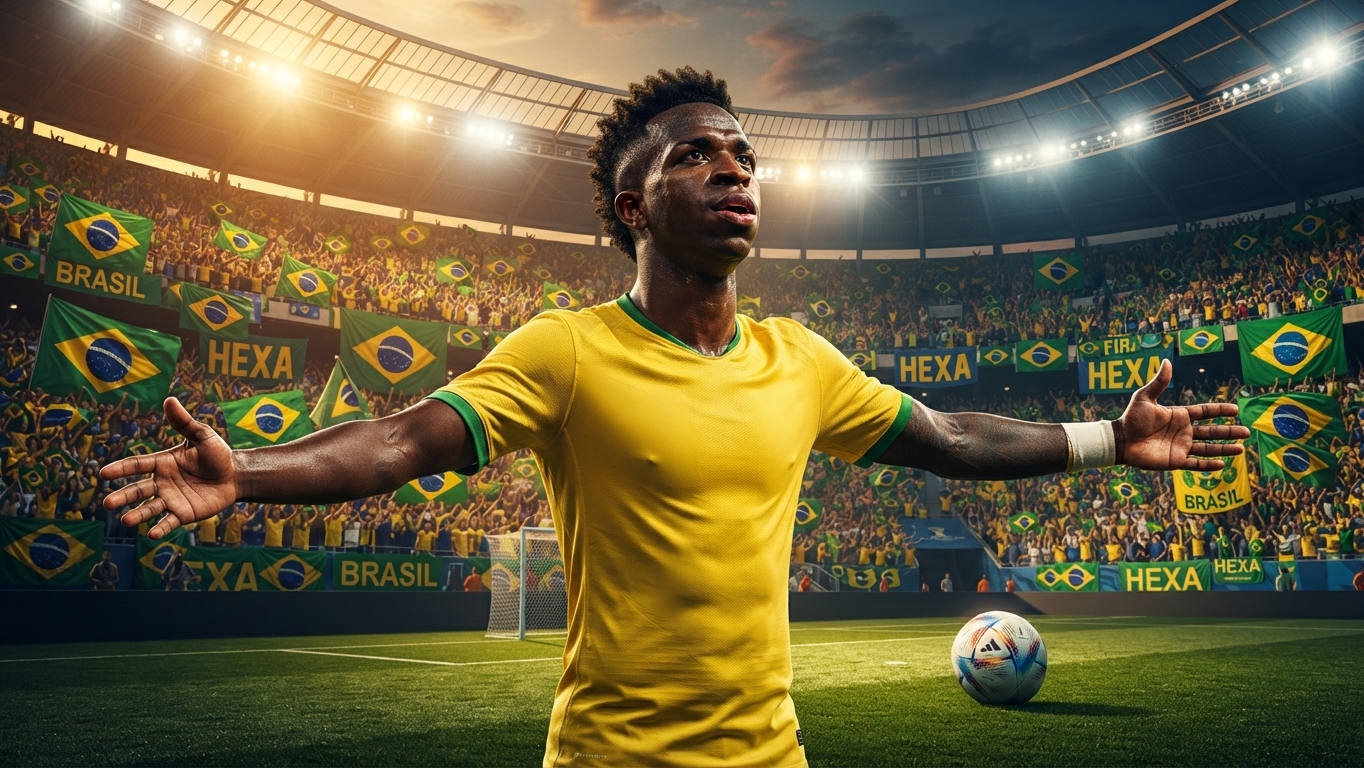
Tournaments like this one function as stress tests for narratives built over years of qualifying campaigns and continental championships. Brazil's dominance through this World Cup — built partly on Vinicius Jr's brace against Serbia and his goal in a 3-0 dismantling of Scotland — has grabbed the headlines, and rightly so. But sitting underneath the marquee results is a quieter story: the sides that used to be there to make up the numbers are now the ones inflicting the shocks. Paraguay dumping out Germany. Ghana holding Thomas Tuchel's England to a draw before England had to survive Croatia. These are not upsets in the old sense anymore. They are the expected outcome of a decade of federations outside Europe and South America closing the technical and tactical gap.
Morocco's own knockout-stage credentials this cycle will be judged on results, as they always are. But the broader project was never really about one team's ceiling. It was about proving the model could be repeated, exported, and improved on — by Senegal's structure, by Ivory Coast's athleticism married to better coaching, by Nigeria's depth of attacking talent finally being organized rather than merely assembled. Harry Kane and England's players have spoken openly in the mixed zone about how much harder African opposition has become to break down compared to a decade ago, and that is not diplomatic politeness. It is a scouting report.
The rest of the football world spent years treating Morocco's run as an aberration to be filed away and forgotten once Qatar ended. Four years on, with Germany and the Netherlands already gone and a Ghana side taking a point off England, that filing looks premature. The continent did not have one good tournament. It built a method, funded it properly, and is now watching that investment show up on the pitch in July 2026 — with the generation behind this one still years from its peak.