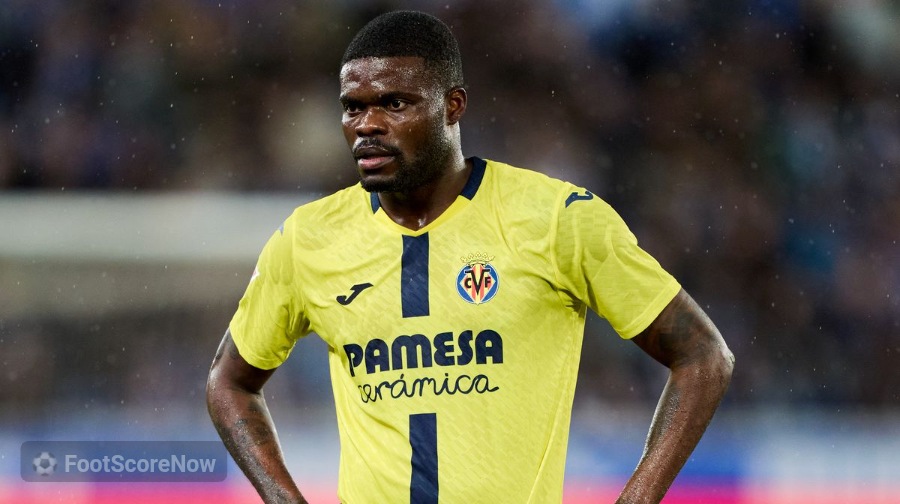
Ghanaian midfielder Thomas Partey, a critical figure in the national team, faces an unexpected setback as he has lost his visa appeal to enter Canada for the 2026 World Cup. Denied entry due to ongoing criminal proceedings in the UK, Partey's absence will be felt as the Black Stars prepare to face Panama in their tournament opener on June 17. His legal troubles, which include serious charges of sexual assault, have overshadowed what should be a moment of national pride. The implications extend beyond the field, affecting Ghana's chances in a competitive group and raising questions about the intersection of sports, law, and international borders.
Visa Denied: The Fallout of Partey's Legal Issues
Thomas Partey’s appeal to enter Canada was rejected following a hearing in Ottawa, effectively sidelining him for Ghana's World Cup opener. The 33-year-old midfielder was denied entry because of ongoing charges against him in the UK, which include seven counts of rape and one count of sexual assault related to allegations made by four women between 2020 and 2022. Despite pleading not guilty, the legal cloud hanging over Partey prompted Canadian immigration authorities to uphold their decision, emphasizing that all visa applications are considered on an individual basis regardless of the event's significance. Ghana's first match against Panama now looms without one of its most experienced players, a situation compounded by the potential for deeper ramifications should the team progress beyond the group stage.
The broader context for Partey's situation reveals a complex interplay between sports and legal accountability. The athlete, who has previously donned the jerseys of top clubs—most notably Arsenal and Villarreal—has been a stalwart for the Ghana national team, earning 57 caps and playing every minute of the 2022 World Cup. His absence marks a significant loss for Ghana, especially given the team’s recent struggles to assert itself on the world stage. The Ghanaian government has criticized Canada's decision as "high-handed and extremely unfair," highlighting the tension between national pride and legal scrutiny.
- International Caps: 57
- World Cup Appearances: Played every minute in 2022
- Current Age: 33
- Last Club: Villarreal (joined in summer 2025)
- Facing serious legal charges in the UK affecting career trajectory
Impact on Ghana's World Cup Campaign
As Ghana prepares to kick off its World Cup campaign, the absence of Thomas Partey is likely to alter the tactical dynamics of the squad. Partey is not merely a player; he has been a linchpin in midfield, known for his ability to break up opposition play and transition defense into attack. His experience and physical presence would have provided Ghana with a much-needed edge against Panama, a team they are favored to beat but cannot afford to underestimate. Coach Carlos Queiroz has expressed his commitment to working with the resources available, stating, “My business is to play with the cards that I have in front of me.” His words resonate with the reality that the Black Stars must adapt quickly, not just to the absence of Partey but to the pressures of international competition amidst controversy.
Having played every minute at the last World Cup, Partey's absence leaves a tactical void for Ghana that will be difficult to fill.
"We are waiting for a decision. When the decision arrives, we are ready." — Carlos Queiroz, Head Coach of Ghana
The Bigger Picture: Ghana's Aspirations and Challenges
Looking ahead, the implications of Partey’s legal situation extend beyond this World Cup. Should Ghana manage to advance past the group stages, they could face Canada again if they finish as runners-up in Group L. However, the ongoing uncertainty surrounding Partey’s legal issues could create further complications, affecting not only his future with the national team but also the integrity of their campaign. Ghana’s footballing aspirations, long held high by passionate fans, now stand at a crossroads where personal accountability and professional duty collide. The next steps for Partey and the Ghanaian squad will be closely scrutinized, as the world watches how they navigate this turbulent chapter.
In many ways, the situation reflects the broader narrative of athletes in the public eye—where personal actions can have profound implications for national pride and team dynamics. As Ghana embarks on its World Cup journey, the question remains: how will they adapt, and can they rise above the controversies that threaten to overshadow their quest for glory?