A Letter That Never Quite Landed
Timing, as any football executive will tell you, is everything. The Football Association was reportedly ready to throw its weight behind Gianni Infantino's bid for a further term as FIFA president, with chairwoman Debbie Hewitt and chief executive Mark Bullingham said to have sanctioned a letter of support as the tri-nation World Cup got underway in Mexico last month. According to The Telegraph, that letter was drafted and ready to go before the tournament descended into controversy. Whether it was actually sent remains unclear, but the optics could hardly be worse for an organisation that prides itself on institutional integrity.
The FA has stayed conspicuously quiet since the story broke, and that silence is starting to look less like discretion and more like discomfort. English football's governing body now finds itself tied, even tentatively, to a FIFA regime accused of bending disciplinary process to suit political convenience.
The Balogun Incident That Sparked It All
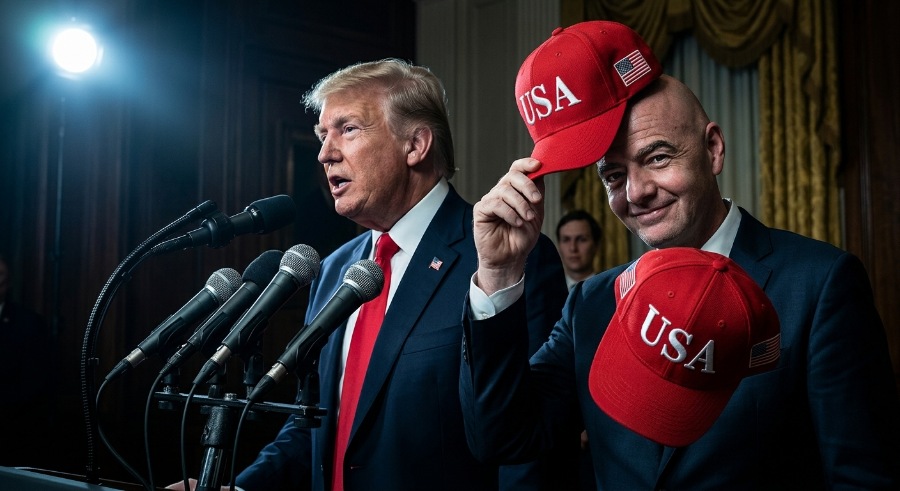
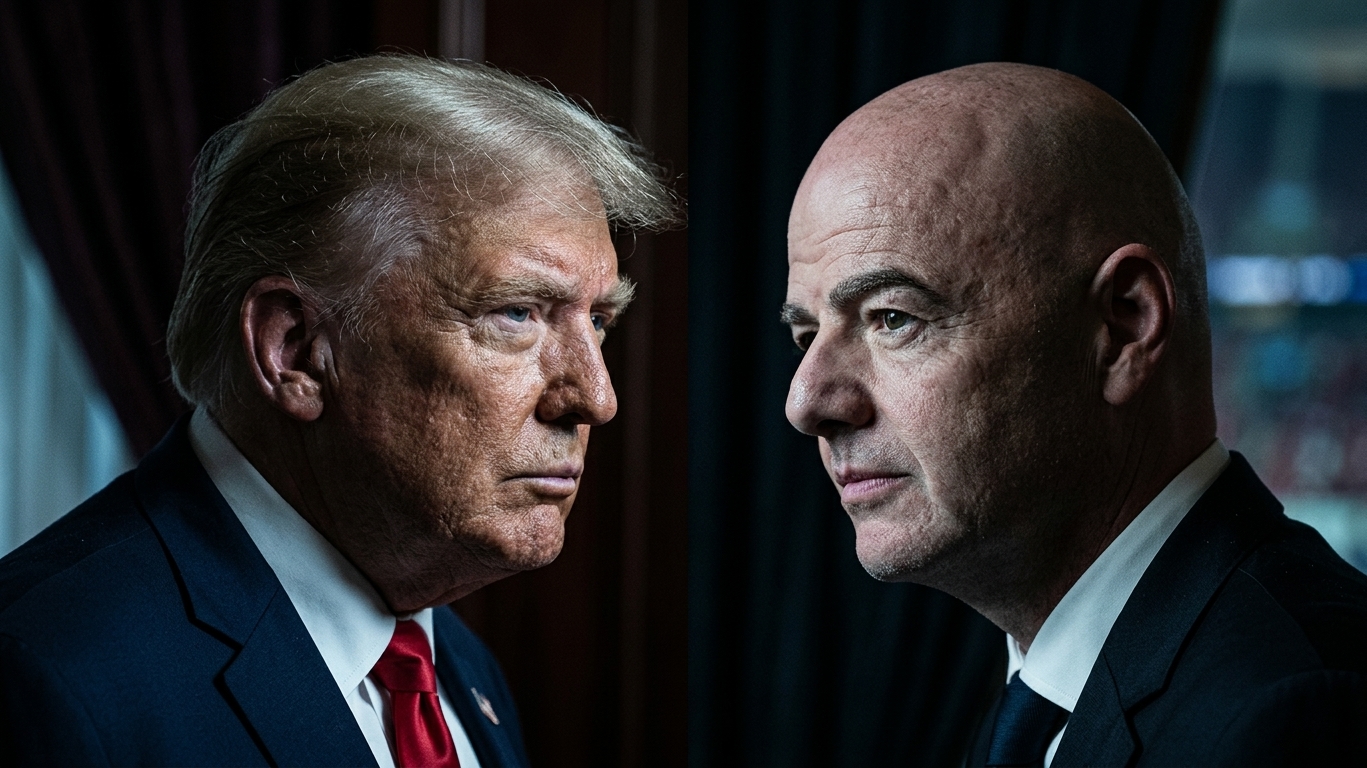
The row centres on Folarin Balogun, sent off against Bosnia and Herzegovina and initially facing an automatic one-match ban. That suspension was controversially lifted, clearing the striker to feature in the United States' last-16 tie with Belgium. Days later, Donald Trump confirmed he had personally telephoned Infantino to request FIFA's intervention — a claim that turned a routine disciplinary footnote into a full-blown governance crisis.
"Yes, I regularly discuss matters related to the FIFA World Cup with the President of the United States, and on this matter, I did receive a call from President Donald Trump, just as I receive calls from heads of state, government officials, football stakeholders." — Gianni Infantino, FIFA President
UEFA did not hold back, describing FIFA's decision as crossing "a red line" and calling it "incomprehensible and unjustifiable," arguing it undermined "the integrity of the game and the credibility of the competition." The Belgian federation lodged its own furious protest. Infantino has since insisted the Disciplinary Committee acted independently, adding that he "sometimes agrees" and "sometimes disagrees" with its rulings — a line that has done little to quiet the noise.
Why the FA's Position Is So Delicate
English football has long positioned itself as a voice for reform within FIFA's often murky corridors of power. Publicly backing Infantino's re-election while he faces accusations of political interference in a World Cup disciplinary matter creates an obvious credibility problem. Pundits have already piled in, with Gary Neville and Ian Wright both labelling the entire saga "embarrassing," while Wayne Rooney branded FIFA's handling of the affair a "disgrace" after two further, quietly issued World Cup bans emerged in its wake.
A federation that champions transparency cannot afford to be seen rubber-stamping a presidency shadowed by allegations of political favouritism.
- UEFA: condemned FIFA's ruling as crossing a "red line"
- Belgian FA: formally protested the reinstatement of Balogun
- FA: allegedly poised to back Infantino, now facing scrutiny over silence
- Pundits: Neville, Wright and Rooney all publicly critical
What Happens Next for Infantino and the FA
Infantino's re-election bid was never expected to face serious resistance in 2027, but this episode has handed critics genuine ammunition. Federations weighing up whether to formally endorse him will now do so under far greater public pressure, aware that any letter of support could be read as tacit approval of presidential-level interference in match officiating and discipline. For the FA specifically, the calculation has shifted from a straightforward diplomatic courtesy to a reputational gamble.
- Infantino's tenure: FIFA president since 2016
- Next election: 2027
- Balogun's ban: one match, later suspended
- Additional bans issued: two, quietly confirmed by FIFA
Bullingham and Hewitt now face pointed questions about whether the FA's letter was ever dispatched, and if so, whether it should be withdrawn. Staying silent may feel like the safer option in the short term, but with UEFA already on record and pundits applying public pressure, the FA's carefully cultivated image as a reform-minded stakeholder is being tested in real time. How it responds in the coming weeks could shape perceptions of English football's role in FIFA governance for years beyond this single World Cup.