A Red Card That Refused to Stay Settled
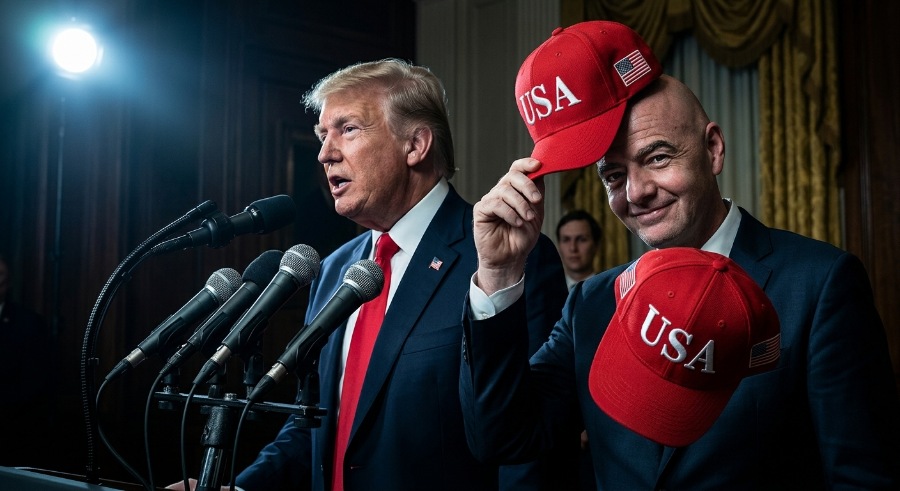
Football is supposed to have a clean, boring certainty to its discipline system. A red card is shown, a suspension follows, and nobody with a phone and an opinion gets to overturn it before kick-off. That certainty evaporated this week when Folarin Balogun's ban was suspended following what Donald Trump himself described as personal intervention. "I was the one who got them to do it," he said, a sentence that should have set off alarms in every federation office in the world. Instead, Fifa denied wrongdoing, the ban vanished, and the USA took the field against Belgium in Seattle anyway - and lost, badly, exposing the emptiness of the entire episode.
Gianni Infantino's Fingerprints Are All Over This
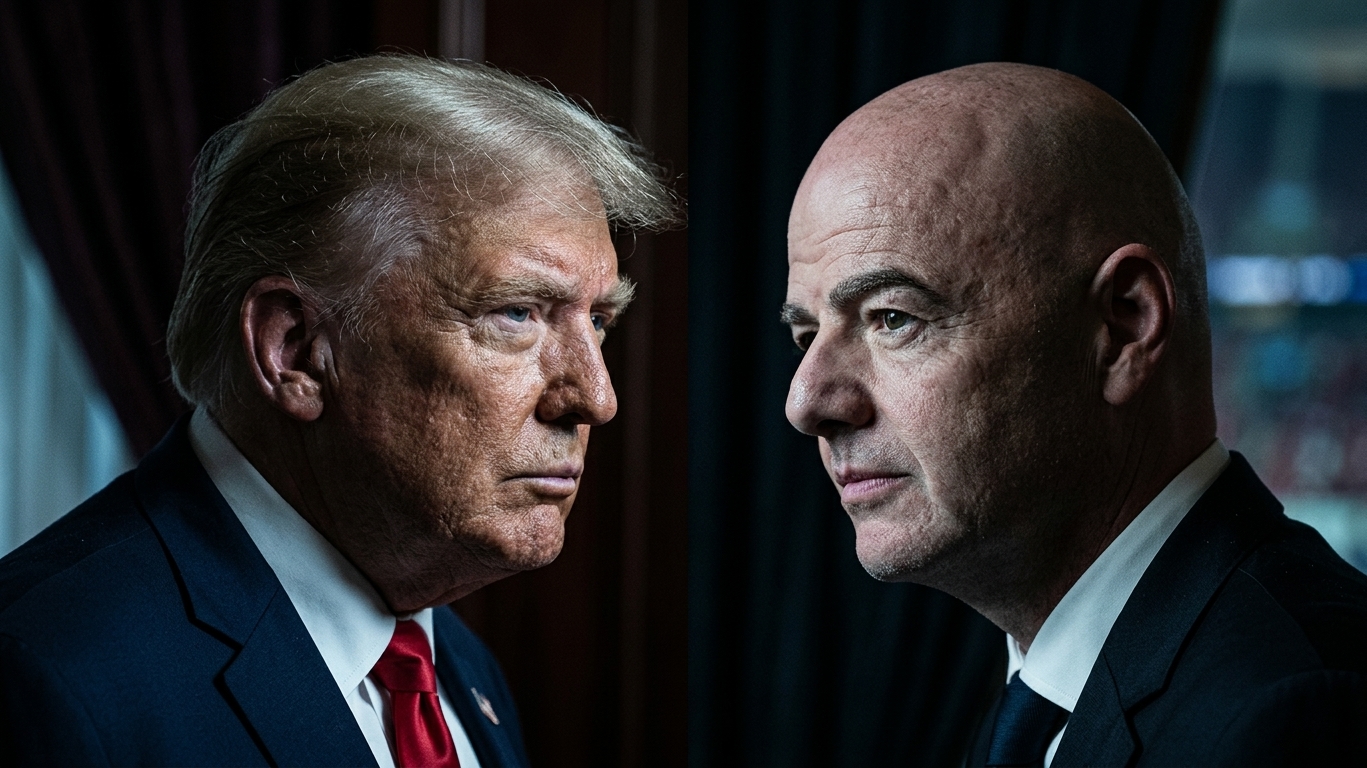
The temptation is to make this a story about Trump being Trump, melting norms wherever he wanders and leaving chaos in his wake. That is the noise. The signal is Gianni Infantino and what his Fifa has been quietly building for years: a World Cup that behaves less like sport and more like a produced spectacle, where outcomes can bend to suit narrative, sponsorship or political convenience. Infantino has spent his presidency cosying up to power - Gulf states, Vladimir Putin, now the White House - and each time the message is the same. Access and relationships matter more than the integrity of the competition itself.
"This shows exactly what happens when you let politics anywhere near the disciplinary process - the rest of the tournament now looks compromised." — Alexander Abnos, football writer
Belgium's players certainly took it personally. Leandro Trossard ran the game from start to finish, and even a visibly slowed Romelu Lukaku still found the guile to unsettle an American defence that looked shaky well before any presidential phone call entered the conversation. The scoreline flattered nobody's conspiracy theory - the USA were beaten on pure footballing terms, comprehensively outclassed in midfield and defensively porous throughout.
Why the Intervention Still Matters, Even If It Didn't Change the Result
The scandal was never really about whether Trump won or lost a football match - it was about whether Fifa can be trusted to run one.
Here is the uncomfortable truth for Infantino's organisation: the outcome on the pitch is almost beside the point. Whether Balogun's restored eligibility helped or hurt the USA is a distraction from the actual scandal, which is that a suspension - a matter of sporting discipline, adjudicated presumably through some process - was apparently reversible via a phone call from a head of state. That is not how credible sporting institutions function. It does not matter if the result vindicates or embarrasses the intervention; the precedent is what should worry every federation, player and fan watching this World Cup unfold.
A Pattern, Not an Accident
This fits a broader pattern under Infantino's stewardship, one where the World Cup increasingly resembles scripted entertainment rather than a contest with fixed, transparent rules. Consider the recent trend lines:
- Expanded tournament formats designed to maximise commercial reach over competitive balance
- Closer alignment with political figures and states seeking reputational benefit from hosting or association
- Disciplinary decisions that appear to shift under external pressure rather than consistent application of rules
- A growing sense among fans that outcomes are shaped as much by boardroom relationships as by what happens on the pitch
None of these points, taken alone, proves corruption. Together, they describe an organisation drifting away from sporting integrity toward something closer to stage management - a World Cup engineered for headlines and access rather than fair competition.
- Balogun's original suspension: confirmed then suspended within 48 hours
- USA's defeat to Belgium: comprehensive scoreline in Seattle
- Trump quote: "I was the one who got them to do it"
- Fifa's official position: denies any interference occurred
What Happens Next
The USA's exit removes the immediate pressure of a home nation surviving on artificial life support, but it leaves Fifa with a far bigger problem than one eliminated team. Every subsequent contentious decision at this World Cup - a marginal red card, a disputed penalty, a suspiciously timed video review - will now be viewed through this lens. Infantino wanted a tournament that captured the world's attention. He has got one, just not for the reasons his commercial partners were hoping for. The question now is whether Fifa can restore any sense that its decisions are made on footballing grounds alone, or whether this episode confirms what many suspected: that under this administration, the World Cup answers to power first and the rulebook second.