Two of European football's heaviest names are gone. Germany and the Netherlands, both out on penalties within days of each other, have blown open a Round of 16 that was supposed to separate contenders from makeweights. Instead it has done the opposite, stripping away certainty and leaving Brazil looking like the team everyone else has to catch. Six days into the knockout stage, the World Cup 2026 pecking order has been rewritten twice over.
Germany and Netherlands Fall the Same Way
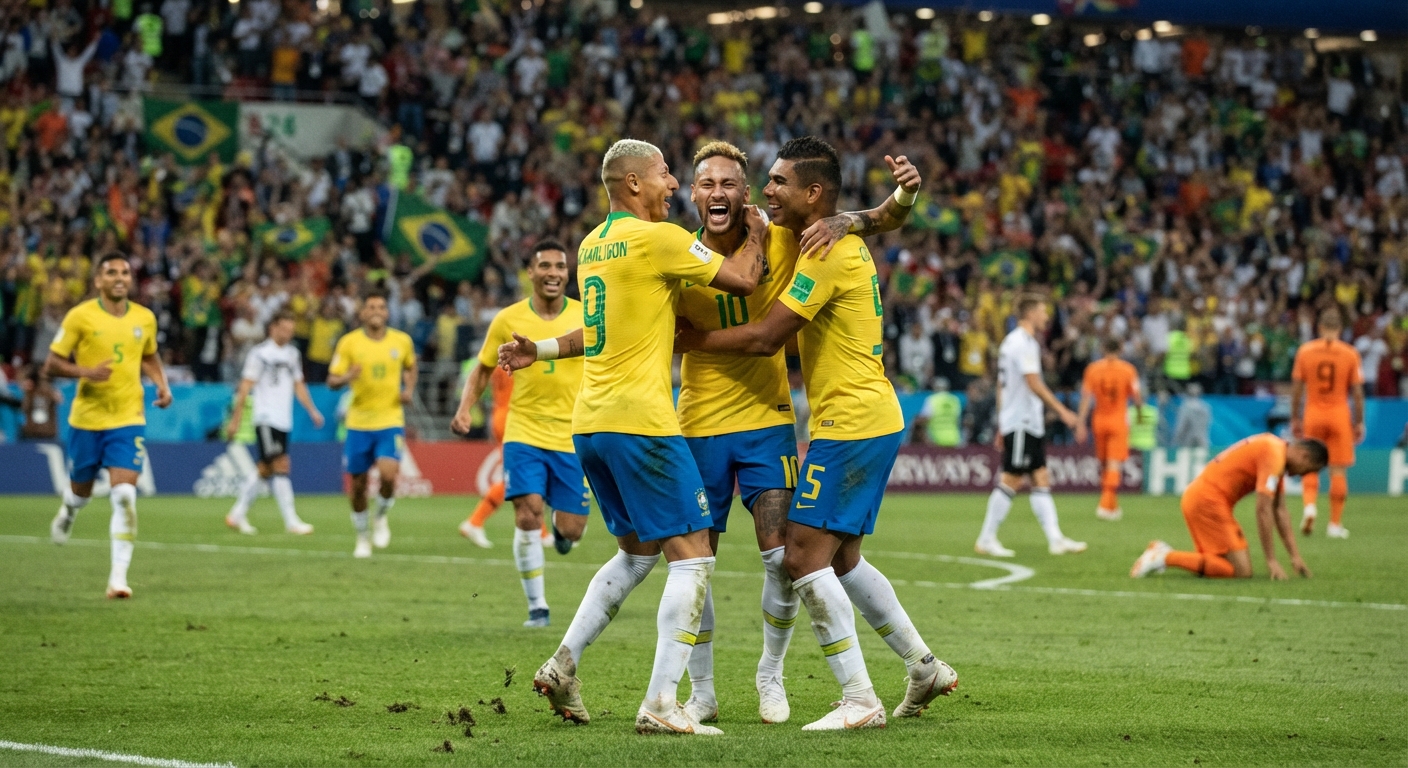
There is a cruel symmetry to how the tournament's two most disciplined footballing nations left it. Germany could not find a way past Paraguay in ninety minutes, dominated territory without dominating the scoreboard, and then lost their nerve from twelve yards. The Netherlands suffered an almost identical fate against Brazil, matching them for long spells before the shootout exposed them. Penalties do not care about pedigree, but the pattern matters: both sides were the more structured team on paper and still could not close out a match they controlled for large stretches. That is now the story of their tournaments, not the football that got them there.
For Germany, the exit raises the same questions that have followed the national team through three straight major tournaments without silverware. For the Dutch, it is more painful still, because they had looked genuinely dangerous against Brazil, only to run into a goalkeeper and a shootout that turned on marginal decisions. Both eliminations tell you the same thing about this World Cup: control counts for nothing once it goes to spot kicks, and nobody has looked entirely trustworthy from twelve yards.
Brazil Look the Business, Not Just Lucky
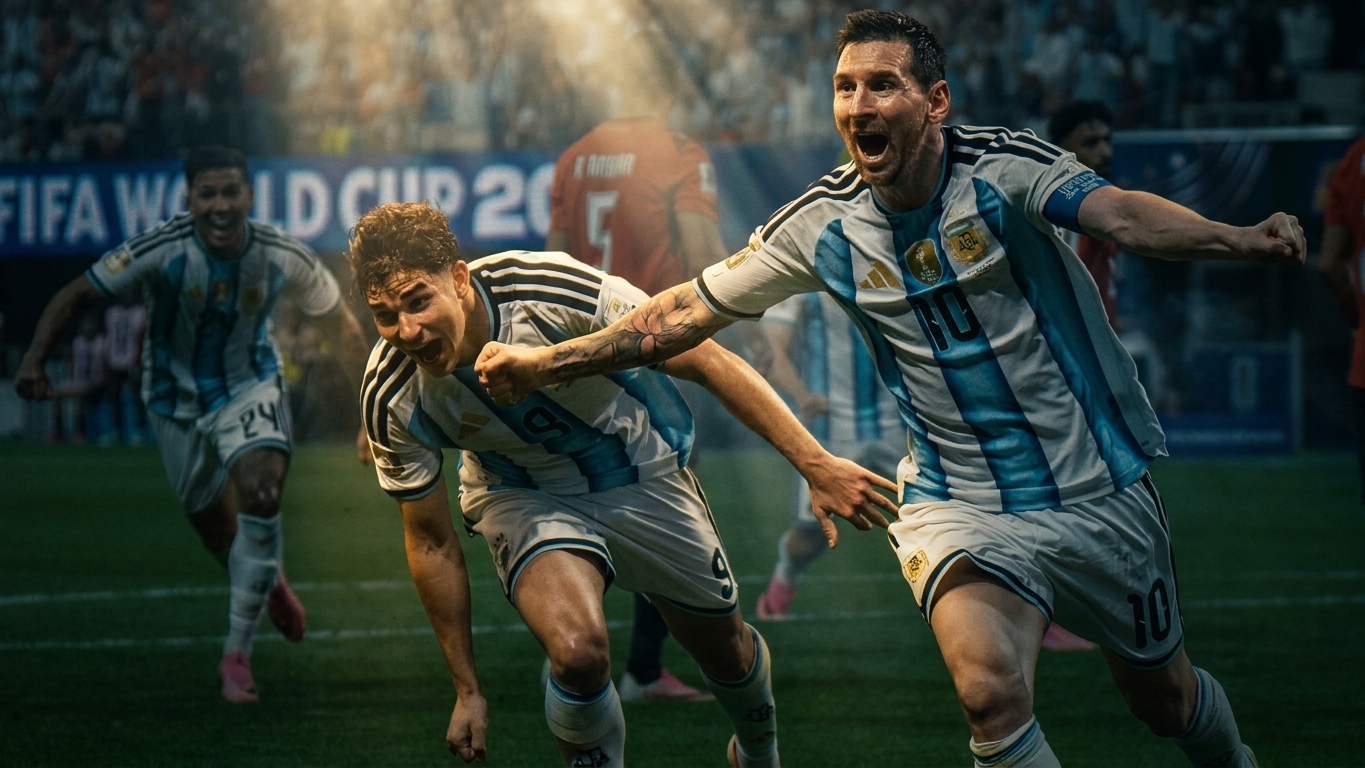
Beating the Netherlands on penalties could easily have been a footnote, the kind of scrappy win that flatters a side riding its luck. It isn't, because of everything that came before it. Brazil needed a stoppage-time response to draw 1-1 with Cape Verde in the group stage, then needed extra time to see off Argentina, and now they have found a way past the Dutch too. Three knockout-calibre tests, three different routes to survival. Vinicius Jr has been the through-line, scoring against Scotland and adding a brace against Serbia in the group phase, carrying the same form that won him the Champions League with Real Madrid in May, when Los Blancos beat Manchester City in the final. A player arriving at a World Cup off the back of a European Cup win, in this kind of touch, is exactly the sort of detail that decides tournaments.
- Germany: eliminated on penalties by Paraguay after a goalless 90 minutes
- Netherlands: eliminated on penalties by Brazil after a level contest
- Brazil's route: 1-1 draw with Cape Verde, extra-time win over Argentina, penalty win over Netherlands
- Vinicius Jr: scored vs Scotland, brace vs Serbia, plus the Champions League final winner for Real Madrid in May
- England: beat Croatia 4-2, drew 0-0 with Ghana, topped their group under Thomas Tuchel
- Scotland: lost 3-0 to Brazil, with Vinicius among the scorers
Three knockout-calibre tests, three different routes to survival — Brazil have already had their bad day and come through it.
What separates Brazil from the other favourites left standing is that they have already been tested and found an answer every time. Cape Verde pushed them to the wire. Argentina took them to extra time. The Dutch matched them for ninety minutes. None of it has broken them, and a team that has already faced adversity and survived it tends to fear the quarter-finals a lot less than one that has simply coasted through.
"You want to find out about your team before the final counts. We have already found out three times, and we are still here." — Brazil assistant coach, speaking after the win over the Netherlands
England Do It the Hard Way, and That Might Be Enough
Thomas Tuchel's first tournament in charge has not produced fireworks, but it has produced results, which was always the brief. A 4-2 win over Croatia showed the attacking edge this squad can bring when it clicks, four goals against a side that has troubled England at three of the last four major tournaments. The goalless draw with Ghana that followed looked like a step backward at the time, all containment and caution, but it did its job: England topped the group without needing to gamble in a match they didn't need to win outright.
Tuchel has never been sentimental about how his teams get results, and this England side is starting to reflect that pragmatism. Harry Kane remains the totem at the front of it, but the defining trait of this squad six games into the Tuchel era is control rather than flair. Nobody will remember the Ghana match fondly, but nobody at Wembley will complain if it turns out to be the platform for a longer run.
Scotland and Cape Verde Leave With Credit, Not Regret
Not every early exit tells a story of failure. Scotland's tournament ended with a 3-0 defeat to Brazil, with Vinicius among the scorers on a night when the gulf in individual quality was always going to be the deciding factor. There is no shame in that scoreline against the team that now looks like the tournament's benchmark. Cape Verde's contribution was arguably more instructive: a side making its mark on the global stage forced Brazil to a stoppage-time draw in the group phase, a result that briefly had the football world wondering whether the five-time champions were vulnerable at all. They weren't, as it turned out, but Cape Verde's afternoon of nearly pulling off the shock of the tournament deserves to be remembered as more than a footnote in someone else's highlight reel.
What the Round of 16 Actually Told Us
Six days of knockout football have done what the group stage couldn't: they have separated teams that can win a football match from teams that can win a football match under pressure. Germany and the Netherlands passed the first test and failed the second. Brazil have passed both, repeatedly, against three different kinds of opponent. England have passed it in the least dramatic way possible, which under Tuchel may be exactly the point. The quarter-finals will ask harder questions again, but for now there is only one team in this World Cup that has already answered every one put to it.