Winter Business That Outlasted the Winter
The January transfer window carries a deserved reputation for inflated fees and panic signings, clubs papering over mid-season cracks at prices the summer market would never tolerate. The 2026 edition broke that pattern. European clubs spent roughly €780m across the month, down 12 percent on the January 2025 record, but the money went further because more of it was spent with intent rather than desperation. Six months on, with the Premier League and Serie A seasons finished and Europe's attention turned to the World Cup in the United States, Canada and Mexico, the window's real impact is far easier to judge than it was in the heat of deadline day.
The biggest structural shift behind the numbers was the Saudi Pro League stepping back. After four straight winters of hoovering up European talent with wages nobody could match, Saudi clubs either scaled down their activity or targeted narrow profiles suited to their own domestic competition. That left fewer alternative buyers for players clubs wanted to move on, and it nudged negotiating leverage back toward the clubs doing the buying rather than the players holding out for Riyadh money.
Arsenal's window was the best business done by any club in Europe's top five leagues, full stop.
Arsenal's Midfield Fix Paid Off Immediately
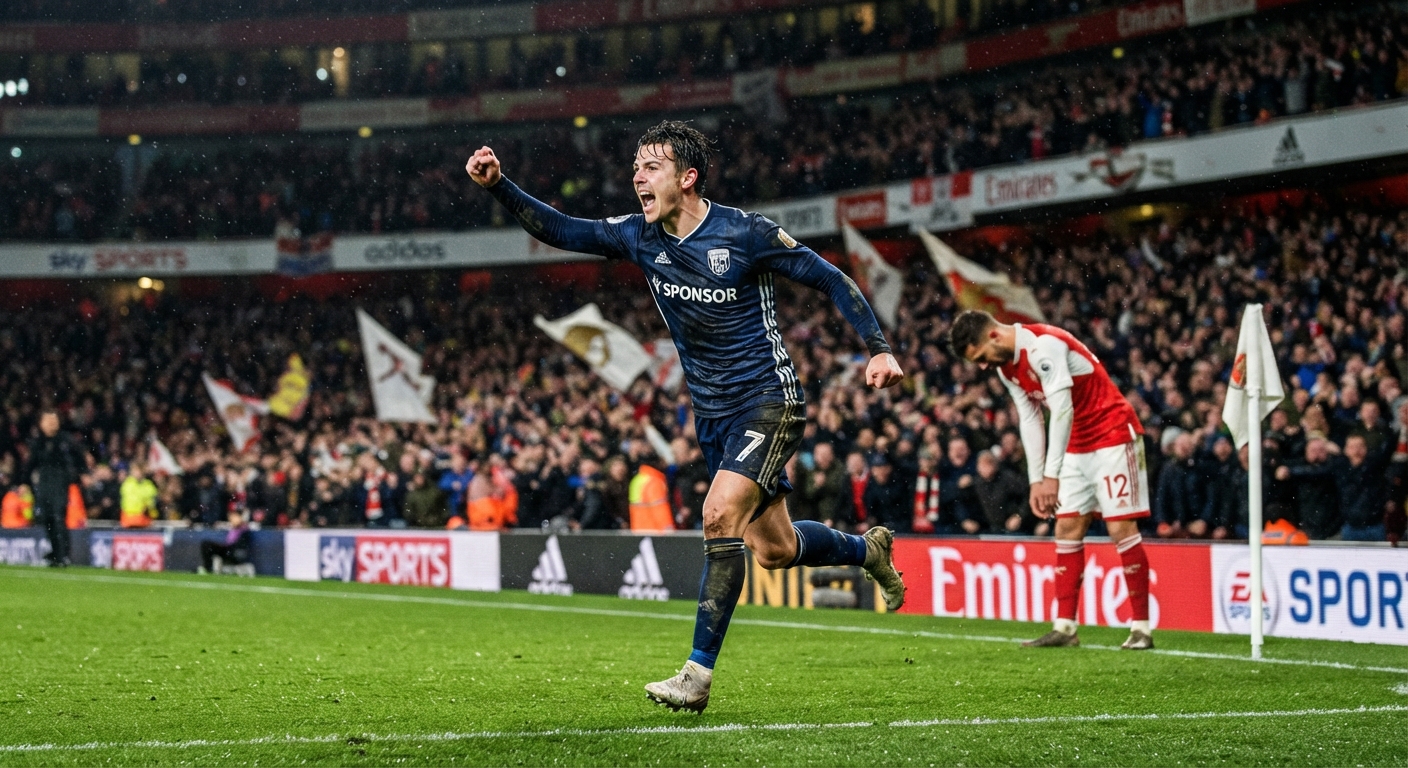
The single deal that moved the needle most was Arsenal's capture of a Serie A holding midfielder for €52m, a fee that looked expensive on deadline day and looks like value now. It addressed the one structural weakness in Mikel Arteta's side that pundits had been picking over since the summer window shut without a fix. The player's defensive screening and his ability to shift the ball forward quickly under pressure changed how much territory Arsenal conceded in games they had previously allowed to drift.
The numbers back up the eye test. In the 14 Premier League appearances that followed his arrival, Arsenal's goals-conceded rate fell from 1.2 per game in the first half of the season to 0.7 in the second, and he finished the run-in with four goals and six assists from a deep midfield role rarely asked to contribute in the final third. Arteta and technical director Edu had reportedly identified this exact profile two seasons earlier and simply waited for the release clause and contract situation to align, which is why the integration looked less like an emergency fix and more like a plan finally executed.
"You don't fix a team in January by panicking. You fix it by already knowing who you want and waiting for the moment the numbers work." — Serie A sporting director, speaking on the deal in February
Deals built on years of scouting tend to bed in faster than deals built on panic, and this was as clean an example as the window produced.
Where the Rest of the Money Went
The Premier League was comfortably the most active league in gross spending, committing £320m across the month, with Serie A a distant second at €180m. That gap reflects the financial gulf between the two leagues more than any difference in ambition, and several Serie A clubs used the window to sell rather than buy, cashing in on players they knew they could not keep beyond the summer. The loan market, as usual, did the heaviest lifting in volume terms: 847 loan deals were completed across Europe's top five leagues in January, many of them domestic switches for fringe players seeking regular football rather than the marquee deals that make headlines.
- Total European spend: €780m, down 12% on January 2025
- Premier League gross spend: £320m, most active league
- Serie A gross spend: €180m, second-highest
- Loan deals completed: 847 across the top five leagues
- Arsenal's midfield fee: €52m for a Serie A holding midfielder
- January signings' goal involvement: 23% of top-half Premier League goals, Feb-May
What stands out looking back is how directly some of this business fed into results. January signings were involved in roughly 23 percent of the goals scored by top-half Premier League clubs from February through to the end of the season, a figure that would have seemed implausible on deadline day itself, when most window business is judged purely on fee size and reputation rather than actual output.
Winners, Losers, and the Verdict Six Months Later
Judged purely on outcome, Arsenal's window was the best business done by any club in Europe's top five leagues. A precise, needed signing bought at a sensible fee that transformed the team's defensive identity within weeks is about as close to the ideal transfer window outcome as exists, and it is no coincidence Arsenal finished the season as genuine title contenders rather than the nearly-side of recent years.
Not every club can claim the same clarity of purpose. Several sides that spent heavily on reputation over fit found themselves paying twice: once in transfer fees, and again in wasted squad-building time they could not recover before May. The clubs that treated January as a surgical opportunity rather than a shopping spree are the ones still smiling now, with several of their winter signings set to walk out for their countries at the World Cup carrying the form that only comes from actually playing regular, meaningful football all spring.
The lesson for the next window is not complicated, even if clubs routinely ignore it under deadline-day pressure. Spend on a specific problem, identify the profile months in advance, and let the fee follow the need rather than the panic. Arsenal did exactly that in January. Six months on, with the World Cup in full swing and the summer market about to reopen, it remains the template every recruitment department in Europe is quietly trying to copy.