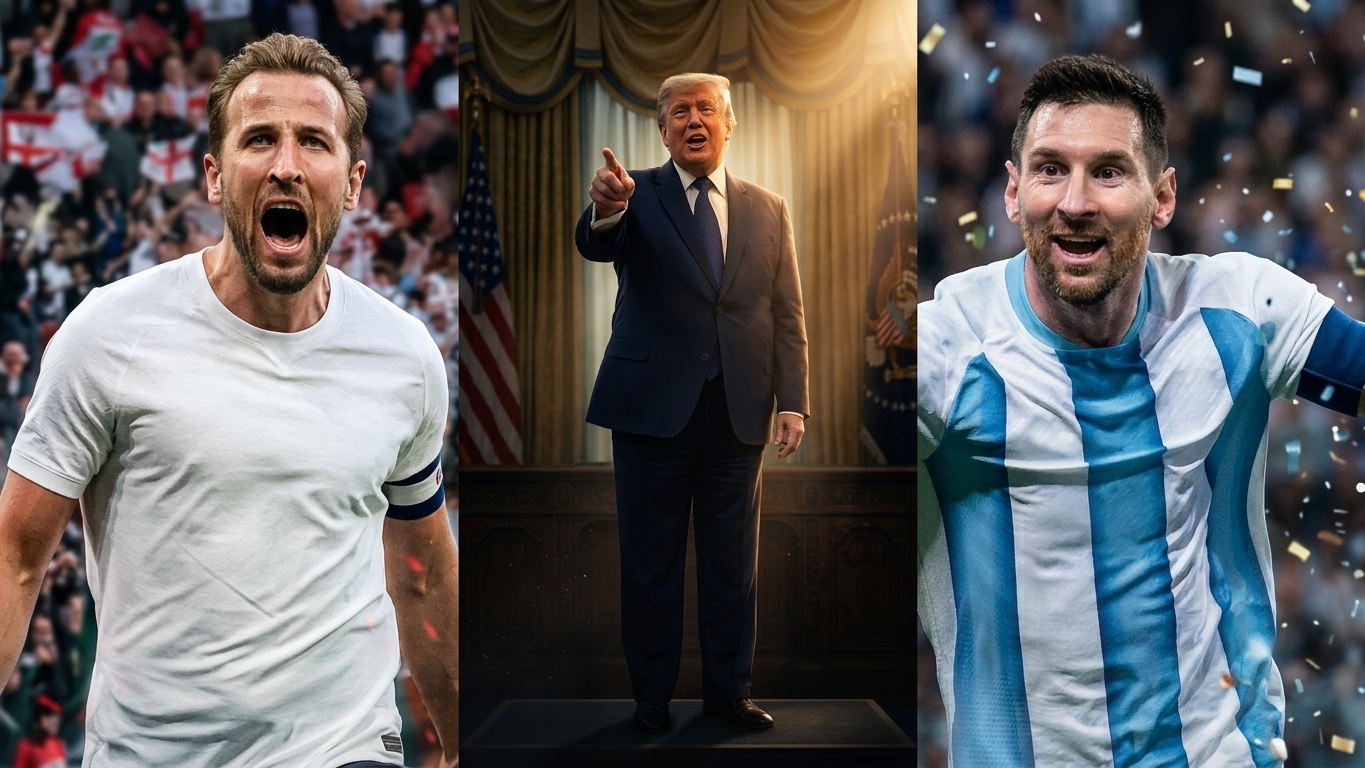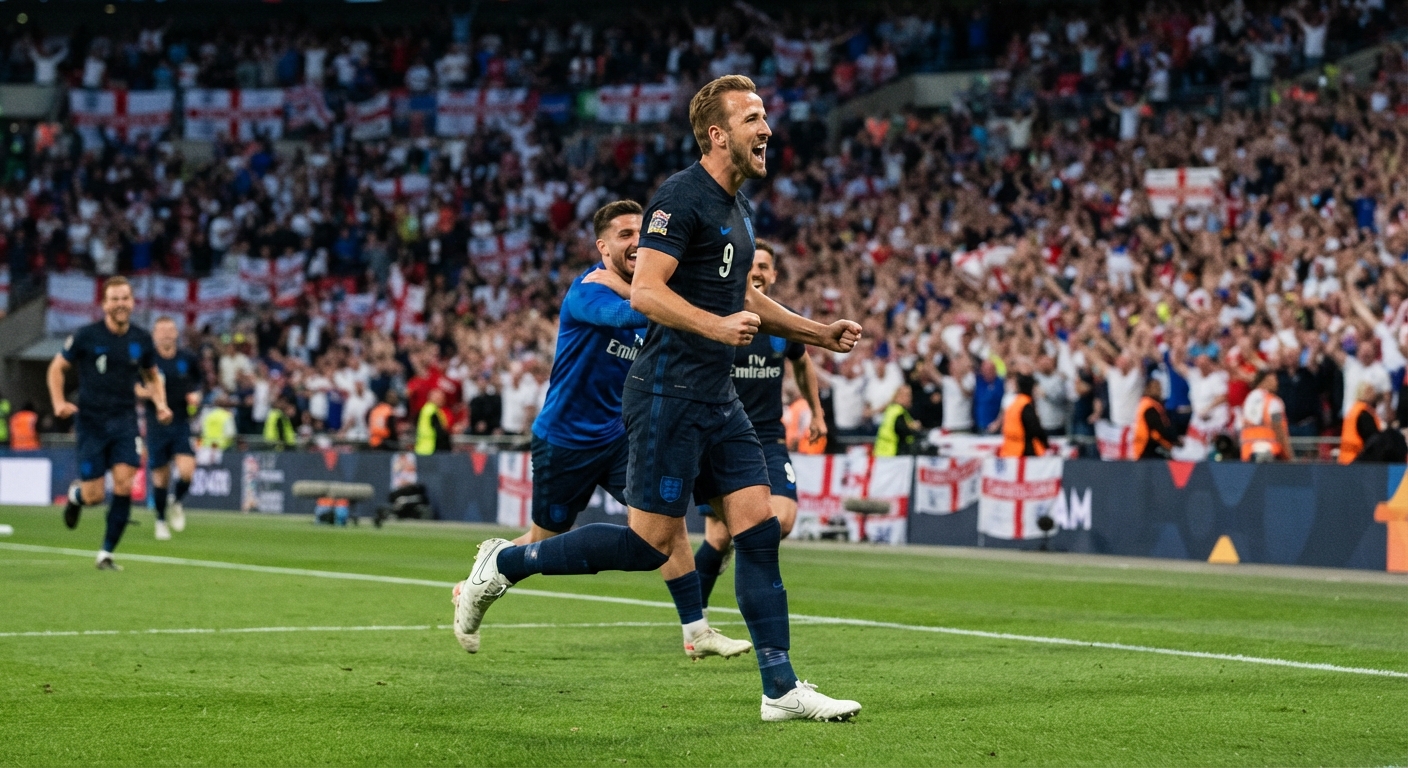
Harry Kane needed twelve minutes. In Qatar four years ago, he needed the better part of four matches without registering a shot on target before he looked like himself at all. The gap between those two numbers tells you almost everything about why England go into the Round of 16 believing their captain, not just their system, can win them a World Cup.
His brace in the 4-2 win over Croatia was the loudest possible answer to the question that had trailed him since 2022: could Kane still turn up on the biggest stage, or had that tournament in the desert exposed something permanent? A quiet 0-0 draw with Ghana followed, no goals for him that night, but no alarm either. England topped the group, Kane kept his rhythm without needing to force it, and now the knockouts arrive with him looking sharper than at any World Cup since Russia 2018, when he went home with the Golden Boot.
The Qatar Hangover
It is worth remembering how bad it got in 2022. Kane looked heavy-legged and isolated, dropping deep to find the ball because nobody ahead of him was moving into space worth finding. He went the best part of four games without a shot on target, watched Kylian Mbappe and Lionel Messi light up the tournament while he waited for a moment that never really came, then limped out on penalties against France having barely threatened Hugo Lloris all night. Gareth Southgate's setup asked him to be a false nine, a target man and a creator all at once, and the compromise flattened him.
Some of that was tactical, some of it physical. Kane arrived in Qatar carrying an ankle knock from the Premier League season and never looked fully free of it. He arrives in this tournament off a season under Thomas Tuchel that, by his own admission, was the most control he has felt over his body in years. The difference showed inside the first quarter of an hour against Croatia.
Seven shots in one match. More than his entire group stage in Qatar combined.
What Tuchel Has Changed
Tuchel's England setup borrows heavily from what worked for Kane at Bayern Munich: fewer instructions to drop and combine, more license to stay high and attack the width of the six-yard box. Against Croatia, Jude Bellingham and Anthony Gordon did the connecting work Kane once had to do himself, dragging defenders out of position so he could arrive late into the space they vacated. His second goal that night was a direct product of that movement — a near-post run timed off Bellingham rather than a deep touch and turn.
"We've worked hard to create a system that allows Harry to flourish, and it's great to see him back to his best." — Thomas Tuchel, England manager
It is not just coach-speak. The numbers back him up: seven shots in that opener alone. He is no longer the release valve for a stuck England attack. He is the finisher at the end of moves other players are now designed to create.
- 2022 group stage: no shots on target for the best part of four matches
- 2026 vs Croatia: brace, seven shots in the match
- 2026 vs Ghana: quiet night, but England kept a clean sheet in a 0-0 draw
- Last World Cup form line: Golden Boot winner at Russia 2018
- System change: Tuchel setup mirrors his Bayern Munich role — fewer drop-ins, more runs in behind
- Group outcome: England topped their group, into the Round of 16
The Patience England Never Used to Have
The Ghana game showed the other side of that evolution. England were not fluent, Kane barely had a sight of goal, and the old version of this team might have panicked into forcing the ball long and direct at him. Instead they controlled the draw, protected a clean sheet, and trusted the goals would come again once the space did. That patience is new for an England side that has historically lurched between over-reliance on Kane and total avoidance of him.
It also says something about the squad Tuchel has built around his captain. Bellingham and Gordon are not decoys; they are genuine goal threats in their own right, which means opponents cannot simply mark Kane out of a game and dare everyone else to beat them. Croatia tried exactly that plan for eleven minutes. It lasted until the twelfth.
The Knockout Test
Form at a World Cup means little until it survives a knockout match, and this is where the last two tournaments turned sour for England. The Round of 16 is exactly where Kane started to find his feet too late in 2022, scoring against Senegal only after the damage of the group stage was already done. This time he starts the knockouts already among the tournament's most dangerous strikers, rather than trying to catch up to that status.
He is not chasing his World Cup redemption anymore. He is already living it.
The bracket has already claimed heavyweights. Germany went out to Paraguay on penalties, the Netherlands fell the same way to Brazil, and every remaining side knows one bad night ends the tournament regardless of pedigree. England will not fear that fate the way they might have two cycles ago, not with a captain finding the net inside twelve minutes rather than searching for one shot on target across four.
Why This Time Feels Different
None of this guarantees anything past the next ninety minutes. World Cups have humbled better strikers than Kane at worse moments than this. But the contrast with Qatar is not cosmetic — it is structural. Tuchel has built a team that creates for its striker rather than leaning on him to create for everyone else, and Kane has repaid that design with the sharpest opening he has produced at a World Cup in eight years. Twelve minutes told England everything they needed to know. The knockouts will tell them whether that is enough.