








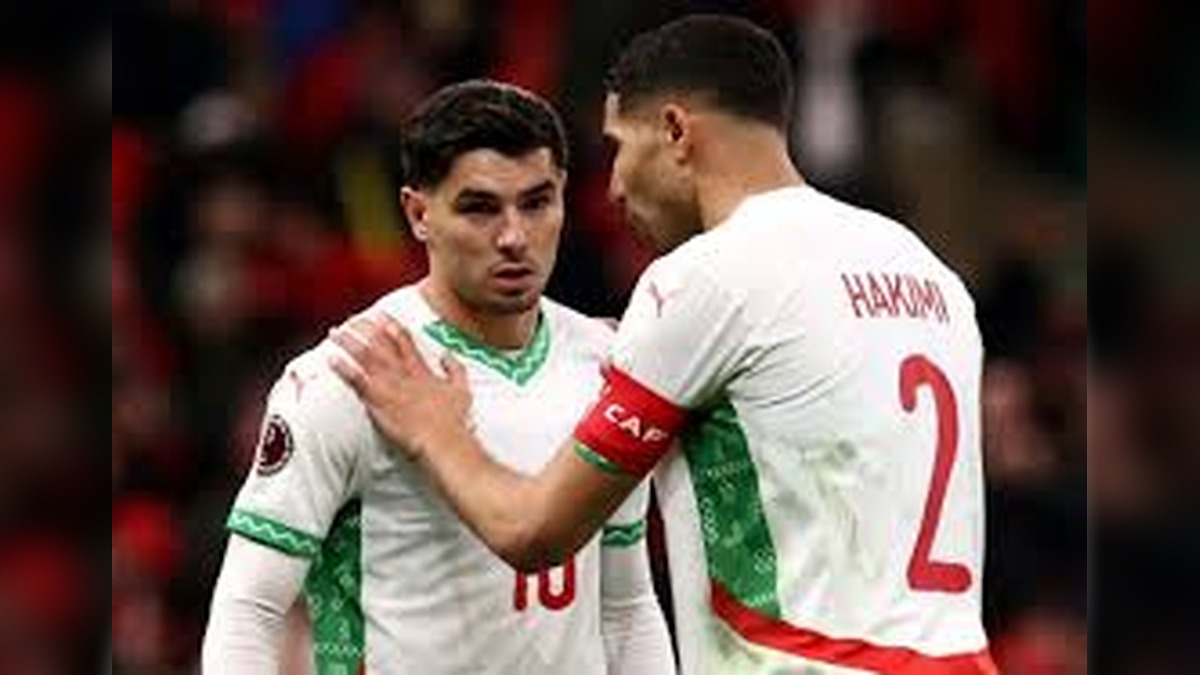
When Morocco defeated Portugal 1-0 in the quarter-finals of Qatar 2022 to become the first African nation to reach a World Cup semi-final, something shifted in global football. It was not just the result — it was the manner of it. Disciplined, physical, tactically brilliant and emotionally charged, Walid Regragui's side gave the world a template for how an African nation could compete and beat the best. In 2026, they intend to go even further.
A New African Standard
The legacy of Qatar runs deep in the Morocco squad. Most of the core players from that historic run return for 2026 — Achraf Hakimi remains one of the finest right-backs in the world; Hakim Ziyech brings unpredictability and craft from deep; Sofiane Boufal continues to dazzle; and the defensive structure that conceded just three goals across six knockout-round matches remains firmly in place. Regragui has retained his position as manager and built upon the foundation with even greater tactical sophistication.
What is different in 2026 is the psychological environment. Morocco no longer arrive as intriguing outsiders. The world now knows what they are capable of, and that shift brings both opportunity and pressure. Managing expectations from a nation that now genuinely believes in a World Cup final — and beyond — is its own challenge.
- Qatar 2022: 4th place — best ever African World Cup finish
- Only African team to reach a World Cup semi-final
- Conceded just 3 goals in the entire 2022 tournament
- Eliminated Belgium, Spain and Portugal in Qatar
- Two AFCON titles: 1976 and most recently in 2025
The Route to the Final
In the expanded 48-team format, Morocco's path looks more navigable than in previous editions — at least in the group stage. With the top two from each group progressing automatically, and eight of the best third-placed teams also advancing, the Moroccans have built-in insurance against a single bad day. Their tactical robustness makes them almost impossible to break down in a one-off knockout match, which is exactly the scenario from the Round of 16 onwards.
"We showed in Qatar that we belong. In 2026, we come not to make history again — we come to make more of it." — Walid Regragui, Morocco Head Coach
The Threat
The Atlas Lions' primary attacking weapon remains the combination of Hakimi bombing forward from right-back and Ziyech creating from the left half-space. The addition of younger talent — several players who came through Moroccan academies and earned moves to Europe's top clubs — has added a new dimension of pace and directness to their play. In an expanded tournament that may suit sides built for one-off performances, Morocco could be the most dangerous team in the draw.
Track Morocco's every match, goal and group update live on FootScoreNow throughout World Cup 2026.