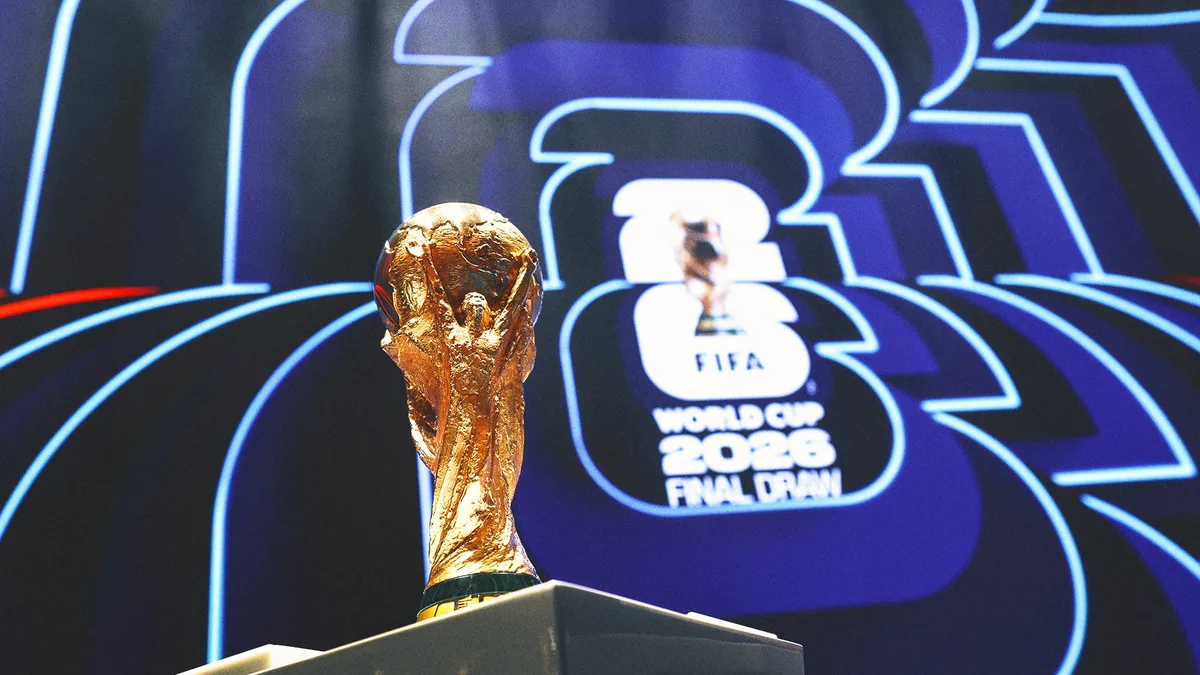








The 2026 World Cup group stage is a three-week chess match involving 48 nations, 12 groups and the most complex format in tournament history. With eight third-placed teams also advancing to the knockouts, every match carries enormous implications — not just for qualification, but for which bracket a team lands in for the last 32. Getting out of the group stage is one thing; navigating the bracket could be everything.
How the Seeding Works
FIFA's seeding system places the strongest nations in Pot 1, ensuring the major teams are spread across the 12 groups. However, with 48 teams to accommodate, the pots are broader than in the 32-team format — meaning the potential for "group of death" scenarios has actually increased. A Pot 2 team from South America or Africa will be a genuine threat to any Pot 1 European nation, and the history of World Cup upsets suggests that nothing should be taken for granted.
The third-placed teams provision adds an additional layer of strategy. A team in a weaker group might deliberately manage their goal difference in the final group game to land in a more favourable bracket position for the Round of 32. Expect the tactical chess to begin in the final group matches across multiple groups simultaneously.
- 12 groups of 4 teams each
- Top 2 from each group advance automatically (24 teams)
- Best 8 third-placed teams across all 12 groups also advance
- Total of 32 teams in the Round of 32 knockout phase
- Groups ranked: first on points, goal difference, goals scored
The Death Groups
Every World Cup produces groups that eliminate teams that would normally progress from a weaker draw, and 2026 will be no different. The death groups in this edition are likely to emerge where South American giants clash with European heavyweights, or where an in-form African side meets two traditionally strong opponents. The format offers some protection — three points is enough to almost guarantee advancement from a weak group — but in a group containing Argentina, Spain or France, three points against the other opponents might not be enough if the game against the superpower is lost.
"You can't choose who you face. You can only choose how you prepare." — Lionel Scaloni, Argentina Head Coach
Dark Horses and Potential Surprises
The expanded format is explicitly designed to give more teams a platform, and that design principle tends to produce results. Morocco's 2022 run proved that defensive organisation, tactical sophistication and collective belief can overcome individual brilliance. In 2026, several teams fit that template. Senegal, powered by the Premier League's finest African talents, could be among the most dangerous sides in the tournament if they draw a manageable group. Japan, who eliminated Germany and Spain in Qatar, have made an art form of the knockout-round upset. The United States on home soil will carry enormous emotional momentum and should not be underestimated.
Among the European outsiders, Serbia, Croatia and Austria each have players of sufficient quality to win a group, and each is capable of the kind of tactical discipline that makes them hard to beat in a single match. In a 48-team tournament, that combination can take you further than most people expect.
Predictions
The teams most likely to top their groups outright: France, Brazil, Argentina, England, Spain and Germany represent the expected hierarchy, but the draw will determine whether any of them face a serious early challenge. A side like Portugal, with Bernardo Silva leading their creative play, or the Netherlands under Ronald Koeman, could emerge from a favourable group with momentum and confidence going into the knockout rounds. Track every group table, result and qualification update live on FootScoreNow throughout the tournament.