A Decade-Old Idea Meets Its Toughest Audience
The high press stopped being a novelty years ago. Every coach at this World Cup grew up studying it, and every academy in every confederation now drills press-triggers as a baseline requirement rather than a tactical flourish. So when 48 teams and every continental style show up in the same tournament, the press finally gets tested against opponents who have spent four years working out how to break it. The Round of 16 across Canada, Mexico and the United States has turned into the sport's biggest live experiment in whether pressing still wins matches, or whether it has simply become a shared language that cancels itself out when both sides speak it fluently.
What's changed since the last World Cup is not the existence of the press but the sophistication of the response to it. Teams no longer panic when swarmed in their own third. They have specific patterns for playing through it, specific personnel picked for their composure under pressure, and a clear sense of the moments in a match when the press will inevitably drop and space will open up. That shift is reshaping which sides are thriving in the knockout rounds and which are going home early despite doing everything the modern coaching manual told them to do.
Germany's Warning Sign
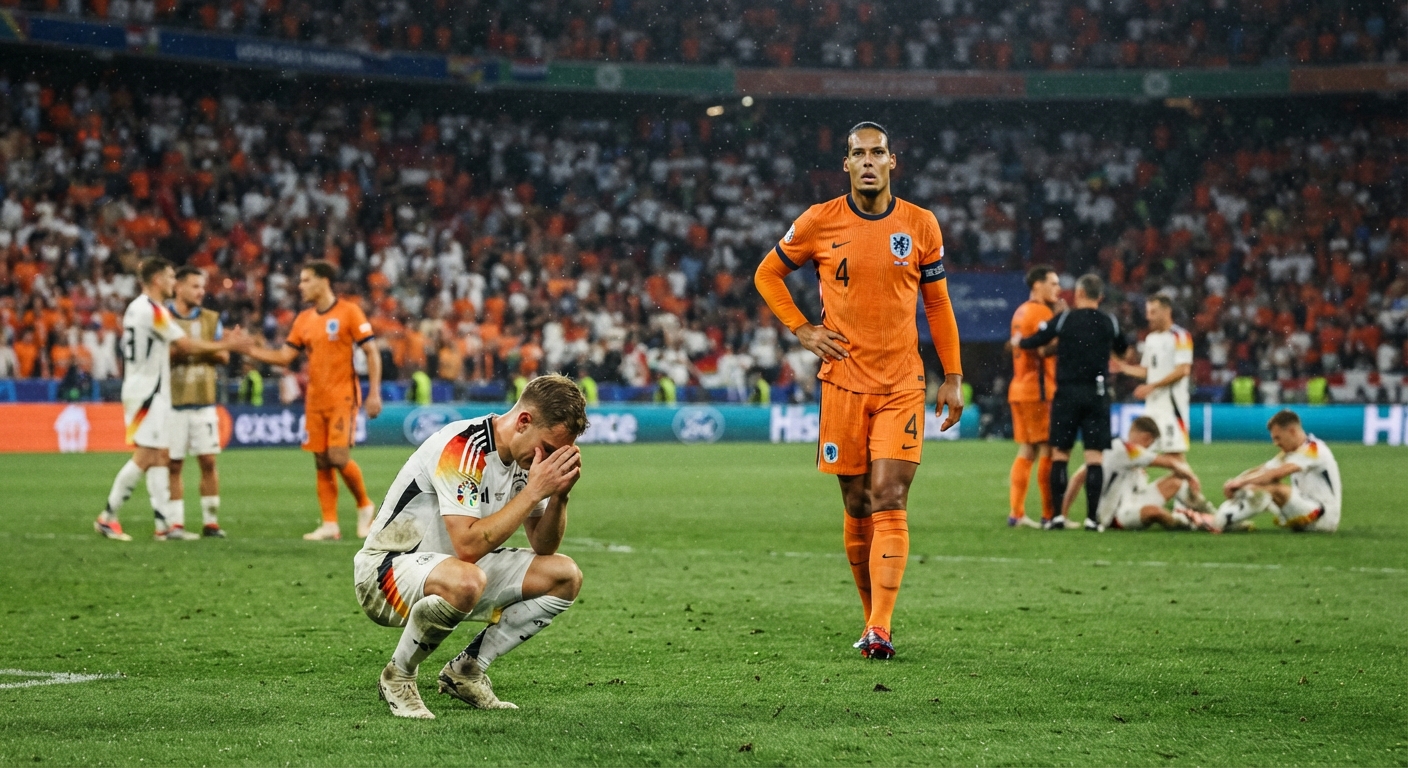
Germany's exit to Paraguay on penalties is the clearest cautionary tale of the tournament so far. Julian Nagelsmann's side pressed with real intensity for long stretches, won the ball back repeatedly in dangerous areas, and dominated territory the way a team built around aggressive defending is supposed to. None of it translated into the killer moments that should have followed. Paraguay absorbed the pressure, stayed compact when it mattered, and had the nerve to take the game to a shootout rather than crack under the weight of it.
Germany built the platform a decade of tactical orthodoxy says should produce victories — and it produced a shootout defeat instead.
The lesson isn't that pressing failed as a strategy. It's that pressing without a cutting edge in the final third is territorial theatre rather than a route to goals. That gap between control and conversion is exactly what's forcing coaches to rethink whether relentless pressing is worth the physical cost when the end product isn't there to match it.
Brazil and the Punishment of a High Line
If Germany showed the limits of pressing without end product, Brazil have shown what happens when defensive pressure is paired with genuine pace in behind. Vinicius Jr's performances against Serbia and Scotland weren't built on Brazil simply out-pressing opponents — they were built on Brazil inviting teams to commit numbers forward and then using his acceleration to punish the space left behind a high defensive line. His brace against Serbia and his goal in the 3-0 win over Scotland both came from exactly the kind of transition moments that high-pressing, high-line teams are most vulnerable to conceding.
The Netherlands found this out the hard way. Ronald Koeman's side likes to defend aggressively and push its back line up to compress the pitch, an approach that has served Dutch football well for years. Against Brazil's pace in behind, that same aggression became a liability, and the Netherlands went out to Brazil on penalties having been repeatedly stretched. Every yard the Dutch defenders held higher up the pitch was a yard of space for Vinicius to run into, and Brazil's front line is built specifically to punish exactly that kind of setup.
- Germany: Out on penalties to Paraguay despite dominating territory
- Netherlands: Out on penalties to Brazil after a high line was exposed
- Vinicius Jr: Brace vs Serbia, goal in 3-0 win over Scotland
- England: Beat Croatia 4-2, drew 0-0 with Ghana under Thomas Tuchel
- Tournament format: 48 teams, hosted by USA, Canada and Mexico
- Final: MetLife Stadium, 19 July
England's Selective Approach Under Tuchel
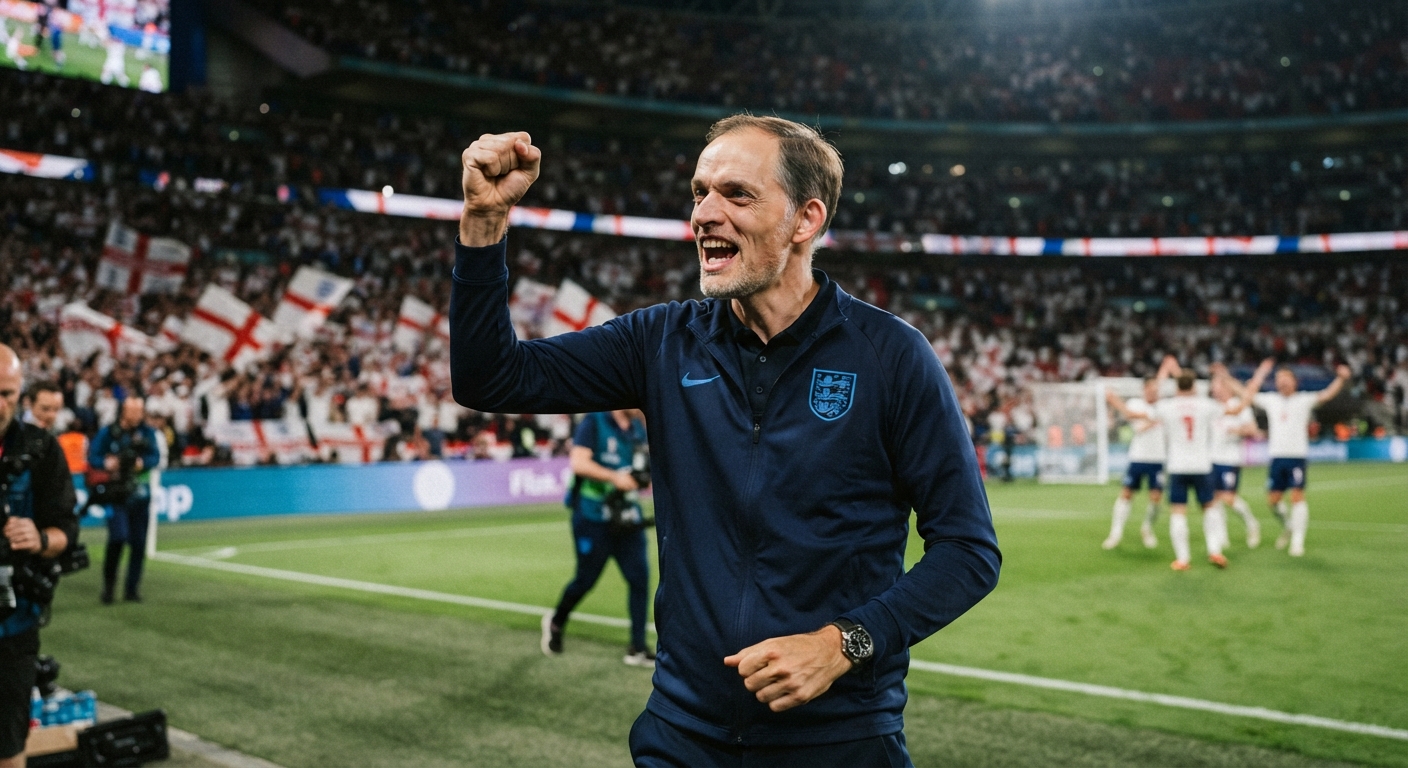
Thomas Tuchel's England have offered the more nuanced case study of pressing as a tool rather than a default setting. The 4-2 win over Croatia showed England at their most front-footed, harrying Croatia's midfield into mistakes and converting turnovers into quick attacks through captain Harry Kane and the forward line. But the goalless draw with Ghana told the opposite story: a Tuchel side content to sit deeper, conserve energy, and pick its moments rather than press for eighty-plus minutes against a team unwilling to be baited into it.
"You cannot press for ninety minutes against every opponent and expect the same reward. The teams still winning at this stage are the ones who know exactly when to stop." — Fabio Cannavaro, former World Cup winner and pundit
The Coaches Who Learned to Switch It Off
What separates the sides still standing from the ones already home isn't the willingness to press — everyone presses now. It's the discipline to recognise when pressing stops being a weapon and starts being self-harm. Germany pressed Paraguay into a shootout they couldn't finish. The Netherlands pressed and held a line high enough for Brazil's pace to expose it twice over. England, by contrast, have shown they can turn the intensity up against a team there to be hunted and turn it down against one that refuses the bait.
That flexibility is starting to look like the real tactical currency of this tournament. The high press isn't dying at this World Cup — it's maturing, splitting into a spectrum of half-presses, conditional presses and moments of calculated passivity that would have looked like cowardice a decade ago and now look like survival. As the knockout rounds tighten, the coaches left standing will be the ones treating the press as a scalpel rather than a hammer.