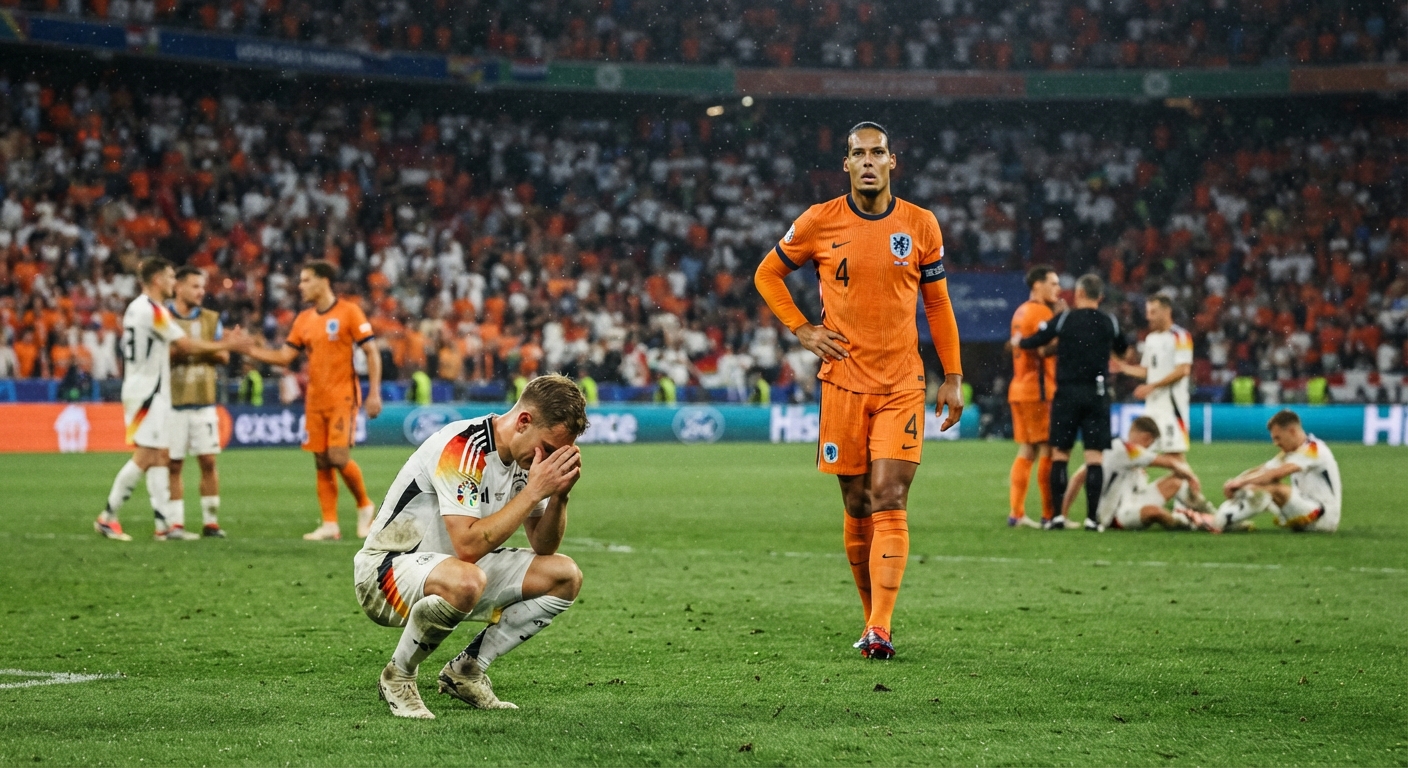
Twenty years ago, a manager citing PPDA or expected threat maps in a press conference would have been laughed out of the room. In July 2026, with the World Cup deep into the Round of 16, those same numbers sit alongside team news on every serious broadcast. This tournament has become the biggest stage yet for a tactical revolution that has spent a decade building in Europe's top leagues, and the knockout rounds have already delivered brutal proof. Germany and the Netherlands, two of the most historically dominant nations in the competition, are out. Both on penalties. Both out-thought as much as out-fought.
The High Press, Rewired for Knockout Football
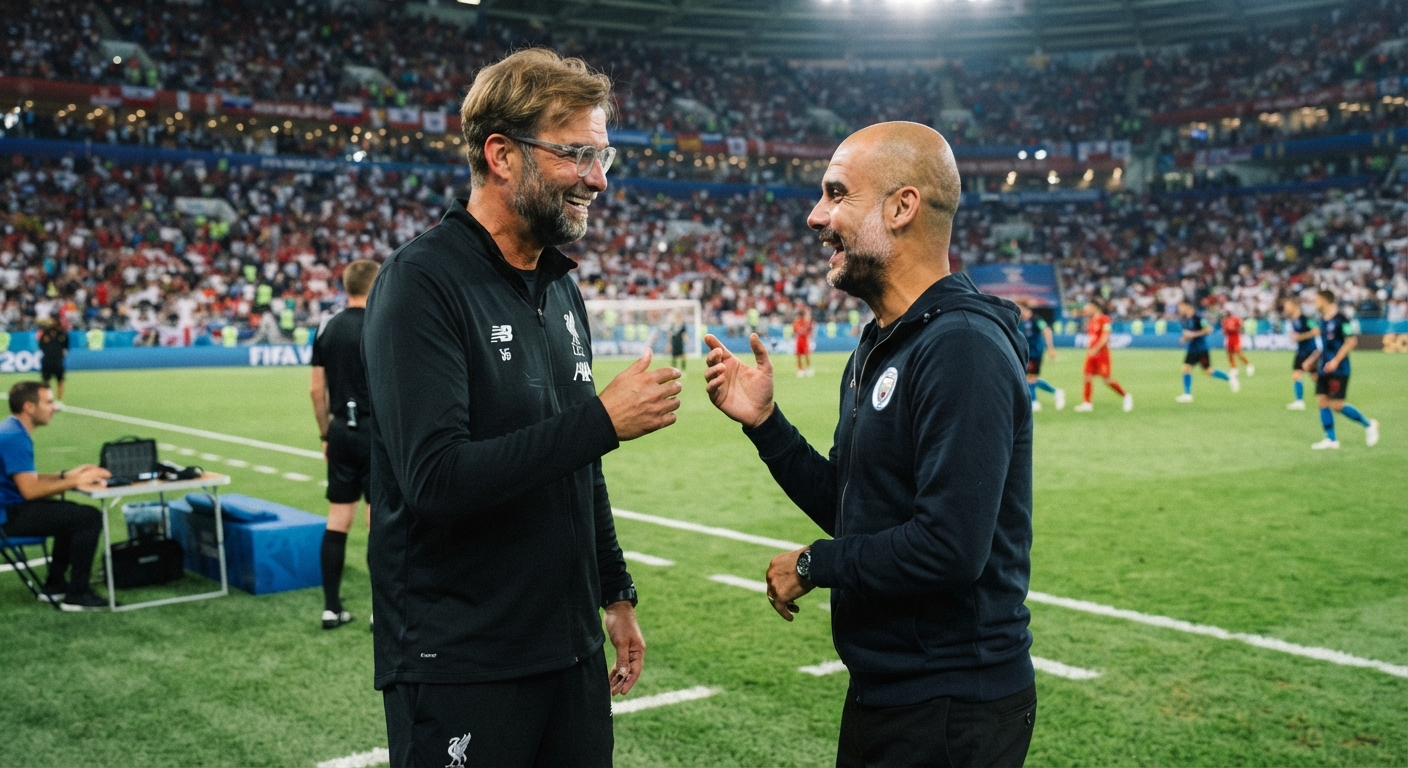
Jurgen Klopp's Liverpool sold the world on the high press as an attacking weapon, and for a while it looked unstoppable. Then defences worked out the counters — the long diagonal over the top, the underlap into space a pressing forward had just vacated — and pundits queued up to declare the press dead. It never died. It changed shape instead. The version on show at this World Cup is not a permanent setting but a trigger, sprung in the ten seconds after a team loses the ball, when the opponent is least organised and a press can do maximum damage for minimum risk. Forwards are drilled to press in pairs and triangles rather than as individuals, cutting off passing lanes instead of chasing the ball carrier.
Possession is no longer proof of control — often it's just proof you don't have the ball when it matters.
Back Threes Take Over the Knockout Rounds
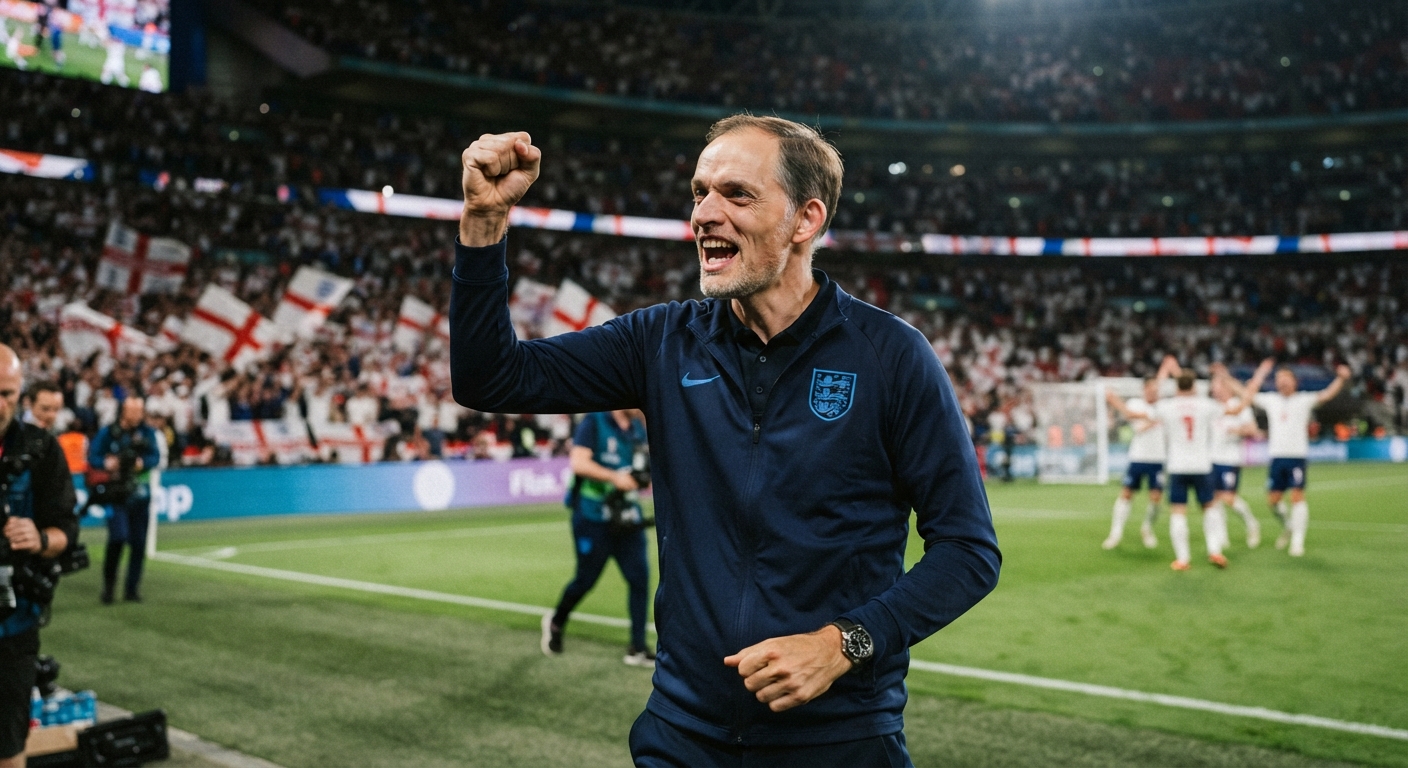
The other defining shift of this tournament is structural. A back three, once treated as a defensive shortcut for weaker sides, is now the base formation for the majority of teams still standing. The appeal is obvious once you watch it working: an extra passer to build from deep, cover across the width without sacrificing a centre-back, and the ability to switch between defending with five and attacking with three almost instantly depending on which wing-back has pushed on. England have leaned on variations of it through the group stage, using the spare body at the back to free Harry Kane and the front line to play higher without exposing themselves to the counters that so often punish bold tournament football. Thomas Tuchel, a manager who built entire club systems around back-three flexibility, has brought that instinct with him to the national team — and it showed in the ease of England's 4-2 win over Croatia, before a more cautious 0-0 draw with Ghana confirmed their place in the last 16.
"Twenty years ago we coached shape. Now we coach moments — the six seconds after losing the ball, the six seconds after a corner is cleared. That is where this World Cup is being won and lost." — Arsène Wenger, FIFA Chief of Global Football Development
- Germany: eliminated on penalties by Paraguay
- Netherlands: eliminated on penalties by Brazil
- England: beat Croatia 4-2, drew 0-0 with Ghana to reach the knockouts
- Scotland: beaten 3-0 by Brazil, with Vinicius Jr among the scorers
- Vinicius Jr: a brace against Serbia plus the goal versus Scotland
- Tactical base: back-three systems now used by the majority of remaining sides
Set Pieces Have Become a Second Season
If there is one trend that has genuinely changed how tournaments are won, it is the professionalisation of the set piece. What used to be five minutes of practice on a Friday is now a specialism with its own coaching staff, its own analysts and its own dedicated hours on the training pitch. Brentford proved in the Premier League that a modest squad with elite set-piece design could punch above its station, and international teams have taken note. At a World Cup, where the gap in quality between the sixteen teams still standing is often marginal, a well-drilled corner routine or a rehearsed short free-kick can be the difference between a quarter-final and an early flight home. Germany's exit to Paraguay was a reminder of how brutal those margins have become — a squad packed with individual talent going out on penalties after 120 minutes in which set-piece discipline, not open-play quality, decided the closest moments.
Wingers Who Refuse to Stay Wide
The inverted winger — cutting inside from the flank onto a stronger foot rather than hugging the touchline — has gone from tactical novelty to default setting almost everywhere in this tournament. It creates overloads through the middle that back threes are specifically built to defend against, which is partly why so many managers have switched to five at the back in the first place. Nobody has punished the old-fashioned full-back more ruthlessly than Vinicius Jr, whose brace against Serbia and further goal in Brazil's 3-0 demolition of Scotland showed exactly what happens when a world-class inverted winger is left one-on-one against a defender who still thinks the touchline is where the danger comes from.
What It Means for the Rest of the Tournament
None of this guarantees that the best-coached side lifts the trophy on 19 July at MetLife. Talent still decides tight margins, and Vinicius Jr has reminded everyone this month that individual brilliance hasn't gone anywhere. But Germany and the Netherlands didn't lose to worse players. They lost to teams that had rehearsed the moments that actually decide knockout football — the press trigger, the back-three rotation, the training-ground corner — more thoroughly than they had. The teams left standing now know exactly what beat their rivals. The question for the remaining rounds is who can out-prepare an opponent that has already worked out the same lessons.