The Excuses Have Finally Run Out
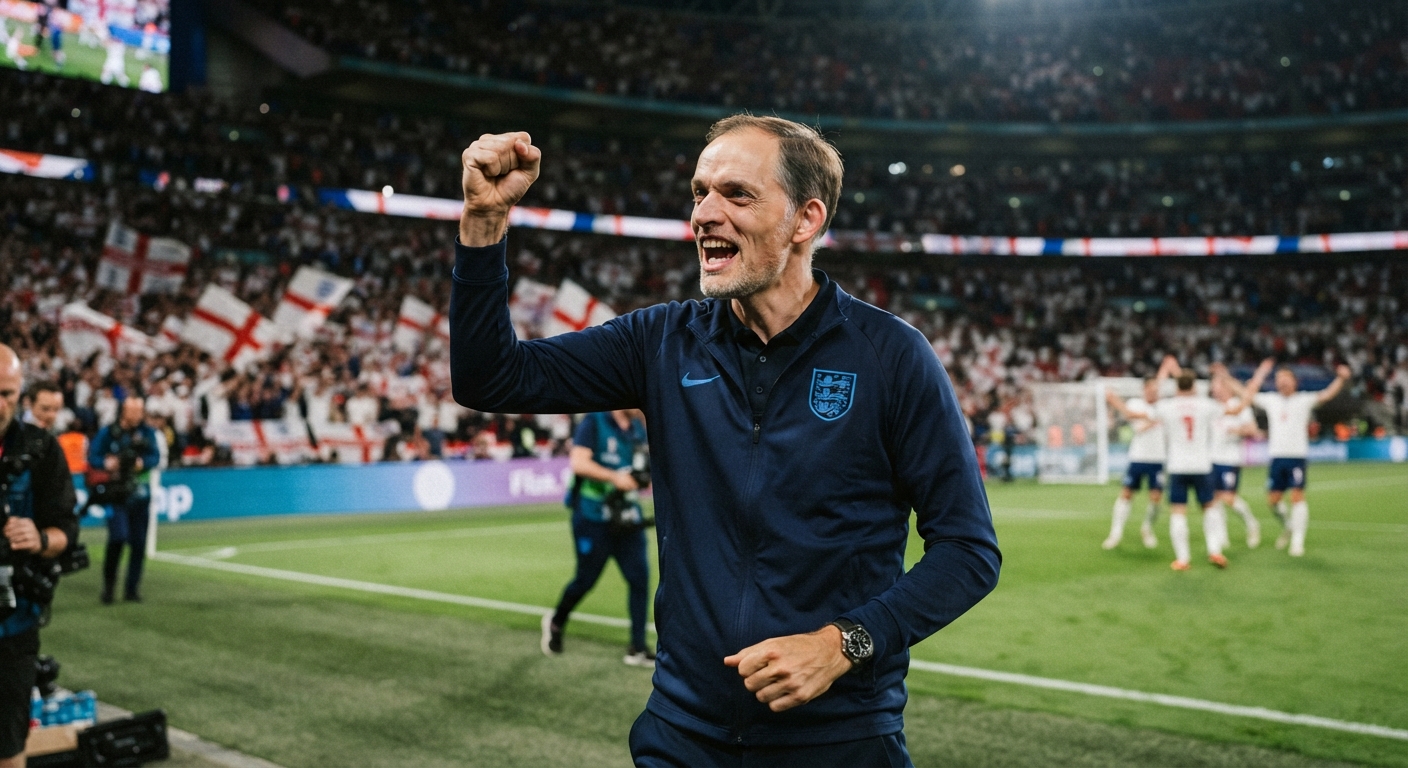
England go into the World Cup 2026 round of sixteen without the caveats that have cushioned every past disappointment. There is no injury crisis to point to, no callow squad short on knockout experience, no manager still finding his best team midway through the tournament. Thomas Tuchel has had two years to build this side, and what he has built has already beaten Croatia 4-2 in the group stage and held its nerve through a goalless draw with Ghana that, on another day, could have been settled either way. Sixty years of hurt do not disappear because of a good six months of preparation, but for the first time in a long time the players and the system both look ready for what comes next.
What makes this iteration different from the sides that stumbled at previous tournaments is not just the individual talent but the clarity of the plan behind it. England's setup under previous management was often accused of overthinking the biggest occasions, freezing gifted players into cautious, risk-averse roles. Tuchel has gone the other way, building a team that presses higher, commits more numbers forward, and trusts its best players to solve problems in the final third rather than avoid them.
This is the most complete England has looked heading into a knockout round since 1966.
Bellingham's Ballon d'Or Season Meets Its Real Test
Jude Bellingham arrives at 22 as the reigning Ballon d'Or winner and Real Madrid's captain, having lifted the Champions League after Madrid beat Manchester City in the 2025-26 final. Tuchel has built the England midfield around him, freeing him from defensive duties to operate as a genuine number ten who arrives late into the box rather than starting attacks from deep. What sets Bellingham apart from England's previous generation of gifted number tens is not just his range of passing but his appetite for the moment that decides a knockout match, the 88th-minute chance, the penalty nobody else wants to take.
That temperament, allied to elite technical quality, is precisely what England lacked when Gascoigne, Scholes and Lampard arrived at major tournaments as the most talented player in the squad without ever quite bending a knockout game to their will. Real Madrid's education, playing alongside the very best attackers in the world, has accelerated that development further still.
"Jude does not play like a young man waiting for his moment. He plays like someone who already owns it. That is the difference between talent and a winner." — Rio Ferdinand, former England defender
Kane, Saka and Foden Give Tuchel Options No Predecessor Had
Harry Kane leads the team at 32 having won back-to-back Bundesliga titles with Bayern Munich, still the fixed point around which England's attack is built even as his mobility has visibly declined from his Tottenham peak. Around him, Bukayo Saka arrives as Arsenal's captain off a season of 19 goals and 16 assists, while Phil Foden was voted the PFA Player of the Year for 2025-26. Both offer Tuchel width, directness and the ability to beat a full back one-on-one, attributes that have historically been in short supply for England sides that relied on a rigid, cautious approach in the biggest matches.
- Group stage record: beat Croatia 4-2, drew 0-0 with Ghana
- Captain: Harry Kane, 32, back-to-back Bundesliga champion with Bayern
- Talisman: Jude Bellingham, reigning Ballon d'Or winner and Champions League winner
- PFA Player of the Year 2025-26: Phil Foden
- Arsenal captain, 19 goals/16 assists: Bukayo Saka
- FIFA Elo ranking heading into knockouts: third in the world
What the Group Stage Actually Told Us
The 4-2 win over Croatia was not a flawless performance, England conceded twice against a Croatia side well past its 2018 peak, but it showed a team willing to trade attacking risk for attacking reward rather than retreat into caution at the first sign of pressure. The 0-0 with Ghana was the more instructive result. England dominated territory and chances without finding a breakthrough, and rather than panic, Tuchel kept faith with the same attacking principles rather than reverting to a safety-first back-up plan. That is not the reaction of a manager who doubts his system.
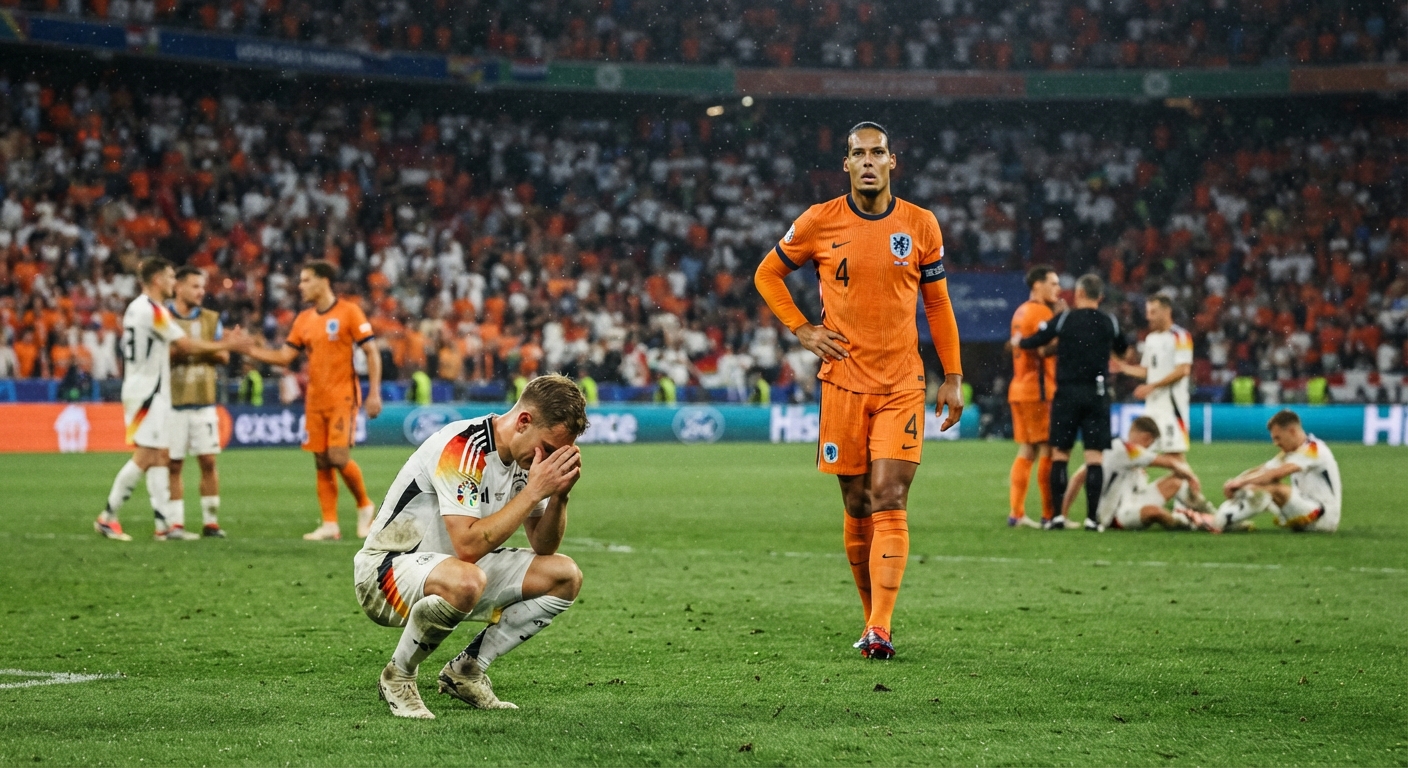
England's FIFA Elo rating has them third in the world heading into the knockout rounds, and unlike previous iterations of that ranking, the underlying performances back it up rather than flatter a favourable draw. There is also the wider context of a tournament that has already claimed two of the traditional heavyweights: Germany went out on penalties to Paraguay, and the Netherlands followed them out of the door against Brazil, also on spot-kicks. Both exits were reminders that knockout football forgives nothing, and that pedigree alone settles nothing once the tournament narrows to straight elimination.
The Weight of History Still Waits
None of this guarantees anything. Knockout football has humbled better-drilled England sides than this one, and the seven fixtures separating Tuchel's squad from the final at MetLife on 19 July will test every part of the plan he has installed. But the honest assessment, watching this squad compare itself to the ones that went before, is that the alibis have genuinely disappeared. The squad has depth in every position. The system has a clear attacking identity rather than a reactive one. The two most gifted players, Bellingham and Kane, are peaking at exactly the moment the biggest games arrive. If England fall short from here, it will not be because the pieces were not in place. For the first time in a generation, that in itself is a kind of progress, even if it is the sort of progress nobody remembers if the story ends the same way it always has.